Skip to content
GenoLensGenoLens

GABRA3

Chr Xq28

gamma-aminobutyric acid type A receptor subunit alpha3

MANE:
ENST00000370314.9

Annotations refreshed 9 hours ago.

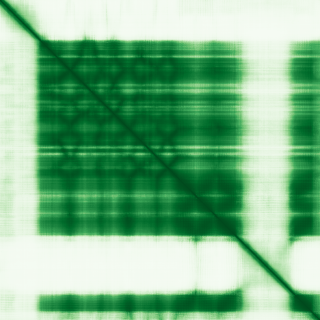
Predicted protein structure

Clinical relevance (Genomics England PanelApp)

Moderate Evidence (Amber)

  • Early onset or syndromic epilepsy

    X-LINKED: hemizygous mutation in males, monoallelic mutations in females may cause disease (may be less severe, later onset than males)
  • Intellectual disability

    X-LINKED: hemizygous mutation in males, monoallelic mutations in females may cause disease (may be less severe, later onset than males)

Disease associations (Open Targets)

  • migraine disorder

    0.61
  • epilepsy

    0.61
  • major depressive disorder

    0.61
  • insomnia

    0.61
  • panic disorder

    0.60
  • Agitation

    0.60
  • anxiety disorder

    0.60
  • Anxiety

    0.59
  • Seizure

    0.59
  • alcohol dependence

    0.59

Score is the Open Targets composite evidence score (0-1). Higher = stronger gene-disease association.

Protein function (UniProt)

Gamma-aminobutyric acid receptor subunit alpha-3

Alpha subunit of the heteropentameric ligand-gated chloride channel gated by gamma-aminobutyric acid (GABA), a major inhibitory neurotransmitter in the brain (PubMed:16412217, PubMed:29053855). GABA-gated chloride channels, also named GABA(A) receptors (GABAAR), consist of five subunits arranged around a central pore and contain GABA active binding site(s) located at the alpha and beta subunit interface(s) (By similarity). When activated by GABA, GABAARs selectively allow the flow of chloride anions across the cell membrane down their electrochemical gradient (PubMed:16412217, PubMed:29053855). Chloride influx into the postsynaptic neuron following GABAAR opening decreases the neuron ability to generate a new action potential, thereby reducing nerve transmission (PubMed:16412217, PubMed:29053855)

Curated MONDO disease pages that list GABRA3 among their top associated genes.

Data sources: HGNC (CC BY 4.0), AlphaFold (CC BY 4.0, Jumper et al. Nature 2021), Genomics England PanelApp (CC BY 4.0), ClinGen, Open Targets (CC0), UniProt.

Not for sole clinical decision-making. Always verify against primary sources.