Skip to content
GenoLensGenoLens

GABRA5

Chr 15q12

gamma-aminobutyric acid type A receptor subunit alpha5

MANE:
ENST00000335625.10

Annotations refreshed 9 hours ago.

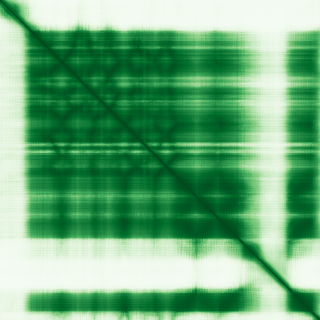
Predicted protein structure

Clinical relevance (Genomics England PanelApp)

Diagnostic Grade (Green)

  • Early onset or syndromic epilepsy

    MONOALLELIC, autosomal or pseudoautosomal, imprinted status unknown
  • Intellectual disability

    MONOALLELIC, autosomal or pseudoautosomal, imprinted status unknown

Disease associations (Open Targets)

  • genetic developmental and epileptic encephalopathy

    0.63
  • Seizure

    0.62
  • epilepsy

    0.61
  • major depressive disorder

    0.61
  • migraine disorder

    0.61
  • panic disorder

    0.61
  • insomnia

    0.61
  • Anxiety

    0.60
  • anxiety disorder

    0.60
  • Agitation

    0.60

Score is the Open Targets composite evidence score (0-1). Higher = stronger gene-disease association.

Protein function (UniProt)

Gamma-aminobutyric acid receptor subunit alpha-5

Alpha subunit of the heteropentameric ligand-gated chloride channel gated by gamma-aminobutyric acid (GABA), a major inhibitory neurotransmitter in the brain (PubMed:14993607, PubMed:29961870, PubMed:30140029, PubMed:31056671). GABA-gated chloride channels, also named GABA(A) receptors (GABAAR), consist of five subunits arranged around a central pore and contain GABA active binding site(s) located at the alpha and beta subunit interface(s) (PubMed:30140029). When activated by GABA, GABAARs selectively allow the flow of chloride anions across the cell membrane down their electrochemical gradient (PubMed:14993607, PubMed:30140029). GABAARs containing alpha-5/GABRA5 subunits are mainly extrasynaptic and contribute to the tonic GABAergic inhibition in the hippocampus (By similarity). Extrasynaptic alpha-5-containing GABAARs in CA1 pyramidal neurons play a role in learning and memory processes (By similarity)

Curated MONDO disease pages that list GABRA5 among their top associated genes.

Data sources: HGNC (CC BY 4.0), AlphaFold (CC BY 4.0, Jumper et al. Nature 2021), Genomics England PanelApp (CC BY 4.0), ClinGen, Open Targets (CC0), UniProt.

Not for sole clinical decision-making. Always verify against primary sources.