
AlphaFold predicted structure
GALE · Q14376
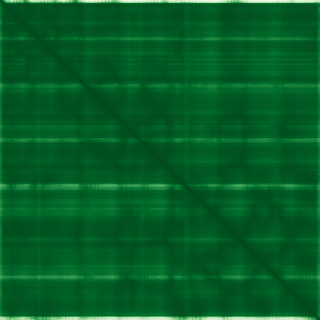
Mean pLDDT
97.1/ 100
Very high
348 residues
Confidence breakdown
- Very high(≥ 90)94%
- Confident(70–90)5%
- Low(50–70)1%
- Very low(< 50)0%
Open interactive 3D viewer
AlphaFold (Jumper et al., 2021) · CC BY 4.0
UDP-galactose-4-epimerase
Annotations refreshed 2 months ago.
Diagnostic Grade (Green)
Cholestasis
BIALLELIC, autosomal or pseudoautosomalDDG2P
BIALLELIC, autosomal or pseudoautosomalFetal anomalies
BIALLELIC, autosomal or pseudoautosomalIntellectual disability
BIALLELIC, autosomal or pseudoautosomalLikely inborn error of metabolism
BIALLELIC, autosomal or pseudoautosomalNeonatal cholestasis
BIALLELIC, autosomal or pseudoautosomalUndiagnosed metabolic disorders
BIALLELIC, autosomal or pseudoautosomalBleeding and platelet disorders
BIALLELIC, autosomal or pseudoautosomal+1 more panels — install the extension to see the full list inline on any page.
galactose epimerase deficiency
thrombocytopenia 13, syndromic
Intellectual disability
hereditary disease
galactosemia
erythrocyte galactose epimerase deficiency
generalized galactose epimerase deficiency
scleritis
autoimmune disorder of central nervous system
glioblastoma
Score is the Open Targets composite evidence score (0-1). Higher = stronger gene-disease association.
UDP-glucose 4-epimerase
Catalyzes two distinct but analogous reactions: the reversible epimerization of UDP-glucose to UDP-galactose and the reversible epimerization of UDP-N-acetylglucosamine to UDP-N-acetylgalactosamine. The reaction with UDP-Gal plays a critical role in the Leloir pathway of galactose catabolism in which galactose is converted to the glycolytic intermediate glucose 6-phosphate. It contributes to the catabolism of dietary galactose and enables the endogenous biosynthesis of both UDP-Gal and UDP-GalNAc when exogenous sources are limited. Both UDP-sugar interconversions are important in the synthesis of glycoproteins and glycolipids
GALE · Q14376
Mean pLDDT
97.1/ 100
Very high
348 residues
Confidence breakdown
AlphaFold (Jumper et al., 2021) · CC BY 4.0