AlphaFold predicted structure
GALNT3 · Q14435
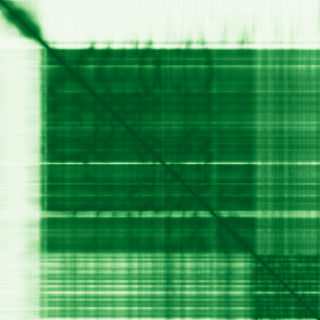
Mean pLDDT
89.8/ 100
Confident
633 residues
Confidence breakdown
- Very high(≥ 90)74%
- Confident(70–90)14%
- Low(50–70)9%
- Very low(< 50)3%
AlphaFold (Jumper et al., 2021) · CC BY 4.0
polypeptide N-acetylgalactosaminyltransferase 3
Annotations refreshed 9 hours ago.
Diagnostic Grade (Green)
Congenital disorders of glycosylation
BIALLELIC, autosomal or pseudoautosomalFamilial tumoral calcinosis
BIALLELIC, autosomal or pseudoautosomalLikely inborn error of metabolism
BIALLELIC, autosomal or pseudoautosomalPigmentary skin disorders
BIALLELIC, autosomal or pseudoautosomalSkeletal dysplasia
BIALLELIC, autosomal or pseudoautosomalUndiagnosed metabolic disorders
BIALLELIC, autosomal or pseudoautosomalRare genetic inflammatory skin disorders
BIALLELIC, autosomal or pseudoautosomalChildhood onset dystonia, chorea or related movement disorder
+2 more panels — install the extension to see the full list inline on any page.
familial hyperphosphatemic tumoral calcinosis/hyperphosphatemic hyperostosis syndrome
familial tumoral calcinosis
type 2 diabetes mellitus
intelligence
hyperphosphatemia
osteoporosis
diabetes mellitus
alcohol drinking
autism spectrum disorder
attention deficit-hyperactivity disorder
Score is the Open Targets composite evidence score (0-1). Higher = stronger gene-disease association.
Polypeptide N-acetylgalactosaminyltransferase 3
Catalyzes the initial reaction in O-linked oligosaccharide biosynthesis, the transfer of an N-acetyl-D-galactosamine residue to a serine or threonine residue on the protein receptor (PubMed:16638743, PubMed:31932717, PubMed:8663203, PubMed:9295285). Has activity toward HIV envelope glycoprotein gp120, EA2, MUC2, MUC1A and MUC5AC (PubMed:8663203, PubMed:9295285). Probably glycosylates fibronectin in vivo (PubMed:9295285). Glycosylates FGF23 (PubMed:16638743, PubMed:31932717)
GALNT3 · Q14435

Mean pLDDT
89.8/ 100
Confident
633 residues
Confidence breakdown
AlphaFold (Jumper et al., 2021) · CC BY 4.0