
AlphaFold predicted structure
GAN · Q9H2C0
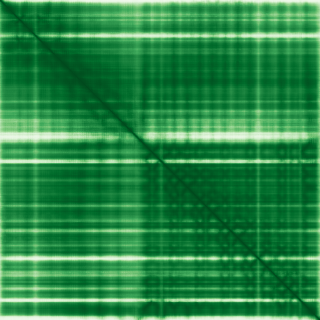
Mean pLDDT
89.9/ 100
Confident
597 residues
Confidence breakdown
- Very high(≥ 90)70%
- Confident(70–90)23%
- Low(50–70)6%
- Very low(< 50)1%
Open interactive 3D viewer
AlphaFold (Jumper et al., 2021) · CC BY 4.0
gigaxonin
Annotations refreshed 2 months ago.
Diagnostic Grade (Green)
DDG2P
BIALLELIC, autosomal or pseudoautosomalHereditary neuropathy
BIALLELIC, autosomal or pseudoautosomalHereditary neuropathy or pain disorder
BIALLELIC, autosomal or pseudoautosomalIntellectual disability
BIALLELIC, autosomal or pseudoautosomalgiant axonal neuropathy
hereditary disease
spinal stenosis
peripheral neuropathy
Hypotonia
Intellectual disability
Abnormality of the skeletal system
endocrine gland neoplasm
Charcot-Marie-Tooth disease
sign or symptom
Score is the Open Targets composite evidence score (0-1). Higher = stronger gene-disease association.
Gigaxonin
Probable cytoskeletal component that directly or indirectly plays an important role in neurofilament architecture. May act as a substrate-specific adapter of an E3 ubiquitin-protein ligase complex which mediates the ubiquitination and subsequent proteasomal degradation of target proteins. Controls degradation of TBCB. Controls degradation of MAP1B and MAP1S, and is critical for neuronal maintenance and survival
GAN · Q9H2C0
Mean pLDDT
89.9/ 100
Confident
597 residues
Confidence breakdown
AlphaFold (Jumper et al., 2021) · CC BY 4.0