
AlphaFold predicted structure
GCDH · Q92947
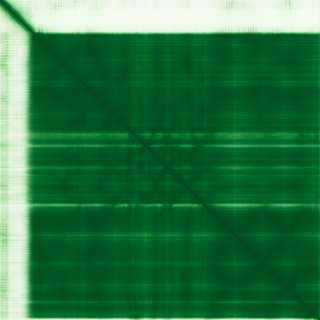
Mean pLDDT
92.0/ 100
Very high
438 residues
Confidence breakdown
- Very high(≥ 90)89%
- Confident(70–90)1%
- Low(50–70)1%
- Very low(< 50)9%
Open interactive 3D viewer
AlphaFold (Jumper et al., 2021) · CC BY 4.0
glutaryl-CoA dehydrogenase
Annotations refreshed 3 months ago.
Diagnostic Grade (Green)
Adult onset leukodystrophy
BOTH monoallelic and biallelic, autosomal or pseudoautosomalChildhood onset dystonia, chorea or related movement disorder
BIALLELIC, autosomal or pseudoautosomalDDG2P
BIALLELIC, autosomal or pseudoautosomalDiagnostic testing for Glutaric acidaemia I
BIALLELIC, autosomal or pseudoautosomalFetal anomalies
BIALLELIC, autosomal or pseudoautosomalIntellectual disability
BIALLELIC, autosomal or pseudoautosomalLikely inborn error of metabolism
BIALLELIC, autosomal or pseudoautosomalStructural basal ganglia disorders
BIALLELIC, autosomal or pseudoautosomal+4 more panels — install the extension to see the full list inline on any page.
glutaryl-CoA dehydrogenase deficiency
hereditary disease
Dystonia
Abnormality of metabolism/homeostasis
Congenital dyserythropoietic anemia type IV
congenital dyserythropoietic anemia type 4
hypomyelinating leukodystrophy 2
Hereditary persistence of fetal hemoglobin - beta-thalassemia
hereditary persistence of fetal hemoglobin-sickle cell disease syndrome
primary ciliary dyskinesia
Score is the Open Targets composite evidence score (0-1). Higher = stronger gene-disease association.
Glutaryl-CoA dehydrogenase, mitochondrial
Catalyzes the oxidative decarboxylation of glutaryl-CoA to crotonyl-CoA and CO(2) in the degradative pathway of L-lysine, L-hydroxylysine, and L-tryptophan metabolism. It uses electron transfer flavoprotein as its electron acceptor. Isoform Short is inactive
GCDH · Q92947
Mean pLDDT
92.0/ 100
Very high
438 residues
Confidence breakdown
AlphaFold (Jumper et al., 2021) · CC BY 4.0