
AlphaFold predicted structure
GCSH · P23434
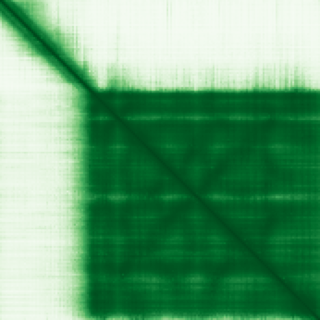
Mean pLDDT
85.0/ 100
Confident
173 residues
Confidence breakdown
- Very high(≥ 90)71%
- Confident(70–90)2%
- Low(50–70)19%
- Very low(< 50)8%
Open interactive 3D viewer
AlphaFold (Jumper et al., 2021) · CC BY 4.0
glycine cleavage system protein H
Annotations refreshed 2 months ago.
Diagnostic Grade (Green)
DDG2P
BIALLELIC, autosomal or pseudoautosomalEarly onset or syndromic epilepsy
BIALLELIC, autosomal or pseudoautosomalIntellectual disability
BIALLELIC, autosomal or pseudoautosomalLikely inborn error of metabolism
BIALLELIC, autosomal or pseudoautosomalUndiagnosed metabolic disorders
BIALLELIC, autosomal or pseudoautosomalglycine encephalopathy
multiple mitochondrial dysfunctions syndrome 7
neurodegenerative disease
infantile glycine encephalopathy
atypical glycine encephalopathy
glycine encephalopathy 1
neonatal glycine encephalopathy
lysosomal storage disease
hereditary disease
prostate adenocarcinoma
Score is the Open Targets composite evidence score (0-1). Higher = stronger gene-disease association.
Glycine cleavage system H protein, mitochondrial
The glycine cleavage system catalyzes the degradation of glycine. The H protein (GCSH) shuttles the methylamine group of glycine from the P protein (GLDC) to the T protein (GCST). Has a pivotal role in the lipoylation of enzymes involved in cellular energetics such as the mitochondrial dihydrolipoyllysine-residue acetyltransferase component of pyruvate dehydrogenase complex (DLAT), and the mitochondrial dihydrolipoyllysine-residue succinyltransferase component of 2-oxoglutarate dehydrogenase complex (DLST) (PubMed:36190515)
GCSH · P23434
Mean pLDDT
85.0/ 100
Confident
173 residues
Confidence breakdown
AlphaFold (Jumper et al., 2021) · CC BY 4.0