
AlphaFold predicted structure
GH1 · P01241
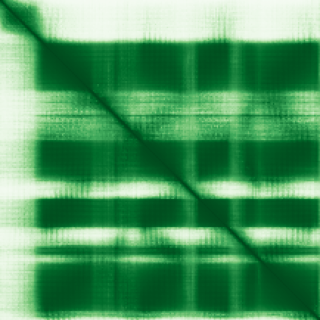
Mean pLDDT
79.3/ 100
Confident
217 residues
Confidence breakdown
- Very high(≥ 90)42%
- Confident(70–90)34%
- Low(50–70)14%
- Very low(< 50)11%
Open interactive 3D viewer
AlphaFold (Jumper et al., 2021) · CC BY 4.0
growth hormone 1
Annotations refreshed 2 months ago.
Diagnostic Grade (Green)
IUGR and IGF abnormalities
BOTH monoallelic and biallelic, autosomal or pseudoautosomalMonogenic short stature
BOTH monoallelic and biallelic, autosomal or pseudoautosomalPituitary hormone deficiency
BOTH monoallelic and biallelic, autosomal or pseudoautosomalOsteogenesis imperfecta
Non-acquired isolated growth hormone deficiency
isolated growth hormone deficiency type II
isolated growth hormone deficiency type IB
short stature due to growth hormone qualitative anomaly
isolated growth hormone deficiency type IA
hereditary disease
neurodegenerative disease
Decreased response to growth hormone stimulation test
acromegaly
Prader-Willi syndrome
Score is the Open Targets composite evidence score (0-1). Higher = stronger gene-disease association.
Somatotropin
Plays an important role in growth control. Its major role in stimulating body growth is to stimulate the liver and other tissues to secrete IGF1. It stimulates both the differentiation and proliferation of myoblasts. It also stimulates amino acid uptake and protein synthesis in muscle and other tissues
GH1 · P01241
Mean pLDDT
79.3/ 100
Confident
217 residues
Confidence breakdown
AlphaFold (Jumper et al., 2021) · CC BY 4.0