AlphaFold predicted structure
GJB3 · O75712
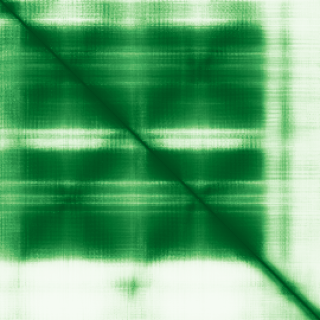
Mean pLDDT
78.4/ 100
Confident
270 residues
Confidence breakdown
- Very high(≥ 90)35%
- Confident(70–90)37%
- Low(50–70)15%
- Very low(< 50)13%
AlphaFold (Jumper et al., 2021) · CC BY 4.0
gap junction protein beta 3
Annotations refreshed 10 hours ago.
Diagnostic Grade (Green)
DDG2P
BOTH monoallelic and biallelic, autosomal or pseudoautosomalIchthyosis and erythrokeratoderma
BOTH monoallelic and biallelic, autosomal or pseudoautosomalPalmoplantar keratoderma and erythrokeratodermas
BOTH monoallelic and biallelic, autosomal or pseudoautosomalPigmentary skin disorders
BOTH monoallelic and biallelic, autosomal or pseudoautosomalRare genetic inflammatory skin disorders
BOTH monoallelic and biallelic, autosomal or pseudoautosomalIntellectual disability
MONOALLELIC, autosomal or pseudoautosomal, imprinted status unknownMonogenic hearing loss
BOTH monoallelic and biallelic, autosomal or pseudoautosomalFamilial Meniere Disease
+1 more panels — install the extension to see the full list inline on any page.
erythrokeratodermia variabilis
autosomal dominant nonsyndromic hearing loss
hearing loss, autosomal recessive
autosomal recessive nonsyndromic hearing loss 1A
deafness
erythrokeratoderma
peripheral neuropathy
neuropathy with hearing impairment
nonsyndromic deafness
hearing loss disorder
Score is the Open Targets composite evidence score (0-1). Higher = stronger gene-disease association.
Gap junction beta-3 protein
One gap junction consists of a cluster of closely packed pairs of transmembrane channels, the connexons, through which materials of low MW diffuse from one cell to a neighboring cell
GJB3 · O75712

Mean pLDDT
78.4/ 100
Confident
270 residues
Confidence breakdown
AlphaFold (Jumper et al., 2021) · CC BY 4.0