Skip to content
GenoLensGenoLens

GJB4

Chr 1p34.3

gap junction protein beta 4

Aliases:
CX30.3
MANE:
ENST00000339480.3

Annotations refreshed 9 hours ago.

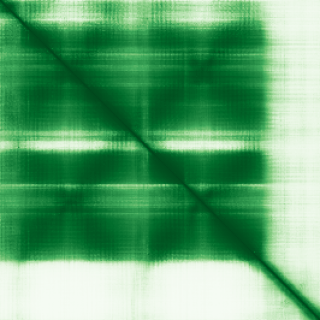
Predicted protein structure

Clinical relevance (Genomics England PanelApp)

Diagnostic Grade (Green)

  • Ichthyosis and erythrokeratoderma

    MONOALLELIC, autosomal or pseudoautosomal, NOT imprinted
  • Palmoplantar keratoderma and erythrokeratodermas

    MONOALLELIC, autosomal or pseudoautosomal, NOT imprinted
  • Pigmentary skin disorders

    MONOALLELIC, autosomal or pseudoautosomal, NOT imprinted
  • Rare genetic inflammatory skin disorders

    MONOALLELIC, autosomal or pseudoautosomal, imprinted status unknown
  • Monogenic hearing loss

Disease associations (Open Targets)

  • erythrokeratodermia variabilis

    0.77
  • dermatophytosis

    0.21
  • liver disorder

    0.20
  • gestational diabetes

    0.19
  • hereditary disease

    0.19
  • malignant renal pelvis neoplasm

    0.18
  • alcohol drinking

    0.18
  • gallbladder disorder

    0.18
  • non-autoimmune hemolytic anemia

    0.15
  • poisoning

    0.15

Score is the Open Targets composite evidence score (0-1). Higher = stronger gene-disease association.

Protein function (UniProt)

Gap junction beta-4 protein

Structural component of gap junctions (By similarity). Gap junctions are dodecameric channels that connect the cytoplasm of adjoining cells. They are formed by the docking of two hexameric hemichannels, one from each cell membrane (By similarity). Small molecules and ions diffuse from one cell to a neighboring cell via the central pore (By similarity)

Data sources: HGNC (CC BY 4.0), AlphaFold (CC BY 4.0, Jumper et al. Nature 2021), Genomics England PanelApp (CC BY 4.0), ClinGen, Open Targets (CC0), UniProt.

Not for sole clinical decision-making. Always verify against primary sources.