
AlphaFold predicted structure
GLDC · P23378
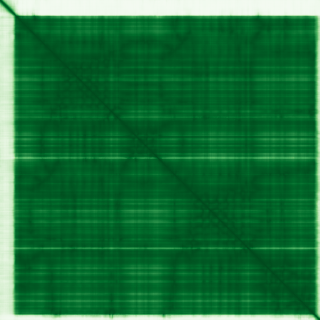
Mean pLDDT
94.1/ 100
Very high
1,020 residues
Confidence breakdown
- Very high(≥ 90)92%
- Confident(70–90)1%
- Low(50–70)0%
- Very low(< 50)6%
Open interactive 3D viewer
AlphaFold (Jumper et al., 2021) · CC BY 4.0
glycine decarboxylase
Annotations refreshed 2 months ago.
Diagnostic Grade (Green)
DDG2P
BIALLELIC, autosomal or pseudoautosomalEarly onset or syndromic epilepsy
BIALLELIC, autosomal or pseudoautosomalFetal anomalies
BIALLELIC, autosomal or pseudoautosomalIntellectual disability
BIALLELIC, autosomal or pseudoautosomalLikely inborn error of metabolism
BIALLELIC, autosomal or pseudoautosomalUndiagnosed metabolic disorders
BIALLELIC, autosomal or pseudoautosomalChildhood onset dystonia, chorea or related movement disorder
glycine encephalopathy
glycine encephalopathy 1
hereditary disease
neurodegenerative disease
Smith-Magenis syndrome
Seizure
atypical glycine encephalopathy
neonatal glycine encephalopathy
infantile glycine encephalopathy
Obesity
Score is the Open Targets composite evidence score (0-1). Higher = stronger gene-disease association.
Glycine dehydrogenase (decarboxylating), mitochondrial
The glycine cleavage system catalyzes the degradation of glycine. The P protein (GLDC) binds the alpha-amino group of glycine through its pyridoxal phosphate cofactor; CO(2) is released and the remaining methylamine moiety is then transferred to the lipoamide cofactor of the H protein (GCSH)
GLDC · P23378
Mean pLDDT
94.1/ 100
Very high
1,020 residues
Confidence breakdown
AlphaFold (Jumper et al., 2021) · CC BY 4.0