
AlphaFold predicted structure
GLI1 · P08151
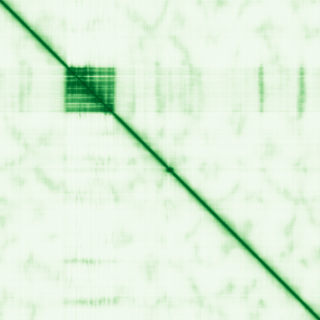
Mean pLDDT
45.5/ 100
Very low
1,106 residues
Confidence breakdown
- Very high(≥ 90)0%
- Confident(70–90)15%
- Low(50–70)5%
- Very low(< 50)80%
Open interactive 3D viewer
AlphaFold (Jumper et al., 2021) · CC BY 4.0
GLI family zinc finger 1
Annotations refreshed 2 months ago.
Diagnostic Grade (Green)
Fetal anomalies
BIALLELIC, autosomal or pseudoautosomalLimb disorders
BIALLELIC, autosomal or pseudoautosomalpolydactyly, postaxial, type A8
polydactyly of a biphalangeal thumb
Ellis-van Creveld syndrome
Ellis Van Creveld syndrome
postaxial polydactyly type A
postaxial polydactyly type B
preaxial polydactyly of fingers
injury
leiomyosarcoma
breast carcinoma
Score is the Open Targets composite evidence score (0-1). Higher = stronger gene-disease association.
Transcription activator GLI1
Transcription activator that acts as a key effector of the smoothened signaling pathway, and which plays a role in craniofacial development and digital development, as well as development of the central nervous system and gastrointestinal tract (PubMed:10806483, PubMed:11238441, PubMed:19706761, PubMed:19878745, PubMed:24076122, PubMed:24217340, PubMed:24311597, PubMed:28973407). Binds to the DNA consensus sequence 5'-GACCACCCA-3' (PubMed:2105456, PubMed:24217340, PubMed:2832761, PubMed:8378770). Activated in response to smoothened signaling: in presence of hedgehog (DHH, IHH or SHH) and subsequent activation of smoothened, GLI1 translocates to the nucleus and promotes expression of target genes (PubMed:2105456). In contrast to GLI2 and GLI3, does not contain a repressor domain and only acts as a transcription activator (PubMed:10075717)
GLI1 · P08151
Mean pLDDT
45.5/ 100
Very low
1,106 residues
Confidence breakdown
AlphaFold (Jumper et al., 2021) · CC BY 4.0