
AlphaFold predicted structure
GLRA1 · P23415
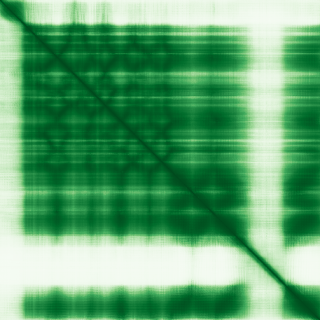
Mean pLDDT
84.0/ 100
Confident
457 residues
Confidence breakdown
- Very high(≥ 90)60%
- Confident(70–90)22%
- Low(50–70)8%
- Very low(< 50)9%
Open interactive 3D viewer
AlphaFold (Jumper et al., 2021) · CC BY 4.0
glycine receptor alpha 1
Annotations refreshed 2 months ago.
Diagnostic Grade (Green)
Brain channelopathy
BOTH monoallelic and biallelic, autosomal or pseudoautosomalChildhood onset dystonia, chorea or related movement disorder
BOTH monoallelic and biallelic, autosomal or pseudoautosomalDDG2P
BOTH monoallelic and biallelic, autosomal or pseudoautosomalHereditary ataxia with onset in adulthood
BOTH monoallelic and biallelic, autosomal or pseudoautosomalLikely inborn error of metabolism
BOTH monoallelic and biallelic, autosomal or pseudoautosomalParoxysmal central nervous system disorders
BOTH monoallelic and biallelic, autosomal or pseudoautosomalSudden death in young people
BOTH monoallelic and biallelic, autosomal or pseudoautosomalUndiagnosed metabolic disorders
BOTH monoallelic and biallelic, autosomal or pseudoautosomal+5 more panels — install the extension to see the full list inline on any page.
hereditary hyperekplexia
Pain
hereditary disease
sedation
acute respiratory distress syndrome
Fever
delirium
aortic valve disorder
mitral valve disorder
type 2 diabetes mellitus
Score is the Open Targets composite evidence score (0-1). Higher = stronger gene-disease association.
Glycine receptor subunit alpha-1
Subunit of heteromeric glycine-gated chloride channels (PubMed:14551753, PubMed:23994010, PubMed:25730860, PubMed:37821459). Plays an important role in the down-regulation of neuronal excitability (PubMed:8298642, PubMed:9009272). Contributes to the generation of inhibitory postsynaptic currents (PubMed:25445488). Channel activity is potentiated by ethanol (PubMed:25973519). Potentiation of channel activity by intoxicating levels of ethanol contribute to the sedative effects of ethanol (By similarity)
GLRA1 · P23415
Mean pLDDT
84.0/ 100
Confident
457 residues
Confidence breakdown
AlphaFold (Jumper et al., 2021) · CC BY 4.0