
AlphaFold predicted structure
GLS · O94925
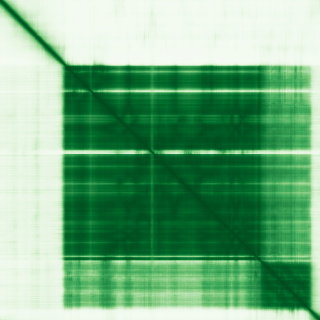
Mean pLDDT
80.2/ 100
Confident
669 residues
Confidence breakdown
- Very high(≥ 90)66%
- Confident(70–90)9%
- Low(50–70)3%
- Very low(< 50)23%
Open interactive 3D viewer
AlphaFold (Jumper et al., 2021) · CC BY 4.0
glutaminase
Annotations refreshed 2 months ago.
Diagnostic Grade (Green)
Early onset or syndromic epilepsy
BIALLELIC, autosomal or pseudoautosomalLikely inborn error of metabolism
BIALLELIC, autosomal or pseudoautosomalAtaxia and cerebellar anomalies - narrow panel
BIALLELIC, autosomal or pseudoautosomalBilateral congenital or childhood onset cataracts
MONOALLELIC, autosomal or pseudoautosomal, imprinted status unknownIntellectual disability
BIALLELIC, autosomal or pseudoautosomalUndiagnosed metabolic disorders
BIALLELIC, autosomal or pseudoautosomalCongenital disorders of glycosylation
UnknownCorneal abnormalities
Unknownglobal developmental delay, progressive ataxia, and elevated glutamine
genetic developmental and epileptic encephalopathy
infantile cataract, skin abnormalities, glutamate excess, and impaired intellectual development
neurodegenerative disease
glutaminase deficiency
hereditary disease
multinodular goiter
response to antihypertensive drug
poisoning
systemic lupus erythematosus
Score is the Open Targets composite evidence score (0-1). Higher = stronger gene-disease association.
Glutaminase kidney isoform, mitochondrial
Catalyzes the first reaction in the primary pathway for the renal catabolism of glutamine. Plays a role in maintaining acid-base homeostasis. Regulates the levels of the neurotransmitter glutamate, the main excitatory neurotransmitter in the brain (PubMed:30239721, PubMed:30575854, PubMed:30970188)
GLS · O94925
Mean pLDDT
80.2/ 100
Confident
669 residues
Confidence breakdown
AlphaFold (Jumper et al., 2021) · CC BY 4.0