
AlphaFold predicted structure
GLUD1 · P00367
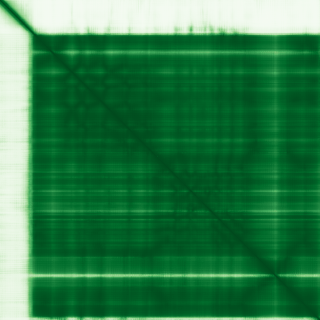
Mean pLDDT
90.3/ 100
Very high
558 residues
Confidence breakdown
- Very high(≥ 90)86%
- Confident(70–90)3%
- Low(50–70)1%
- Very low(< 50)10%
Open interactive 3D viewer
AlphaFold (Jumper et al., 2021) · CC BY 4.0
glutamate dehydrogenase 1
Annotations refreshed 2 months ago.
Diagnostic Grade (Green)
Congenital hyperinsulinism
MONOALLELIC, autosomal or pseudoautosomal, NOT imprintedDDG2P
MONOALLELIC, autosomal or pseudoautosomal, imprinted status unknownEarly onset or syndromic epilepsy
MONOALLELIC, autosomal or pseudoautosomal, NOT imprintedHyperammonaemia
MONOALLELIC, autosomal or pseudoautosomal, NOT imprintedLikely inborn error of metabolism
MONOALLELIC, autosomal or pseudoautosomal, NOT imprintedUndiagnosed metabolic disorders
MONOALLELIC, autosomal or pseudoautosomal, NOT imprintedChildhood onset dystonia, chorea or related movement disorder
Fetal anomalies
MONOALLELIC, autosomal or pseudoautosomal, imprinted status unknown+3 more panels — install the extension to see the full list inline on any page.
hyperinsulinism-hyperammonemia syndrome
epilepsy
hyperinsulinemic hypoglycemia, familial, 2
familial hyperinsulinism
gout
neurodegenerative disease
urolithiasis
head and neck cancer
hereditary disease
monogenic diabetes
Score is the Open Targets composite evidence score (0-1). Higher = stronger gene-disease association.
Glutamate dehydrogenase 1, mitochondrial
Mitochondrial glutamate dehydrogenase that catalyzes the conversion of L-glutamate into alpha-ketoglutarate. Plays a key role in glutamine anaplerosis by producing alpha-ketoglutarate, an important intermediate in the tricarboxylic acid cycle (PubMed:11032875, PubMed:11254391, PubMed:16023112, PubMed:16959573). Plays a role in insulin homeostasis (PubMed:11297618, PubMed:9571255). May be involved in learning and memory reactions by increasing the turnover of the excitatory neurotransmitter glutamate (By similarity)
GLUD1 · P00367
Mean pLDDT
90.3/ 100
Very high
558 residues
Confidence breakdown
AlphaFold (Jumper et al., 2021) · CC BY 4.0