
AlphaFold predicted structure
GM2A · P17900
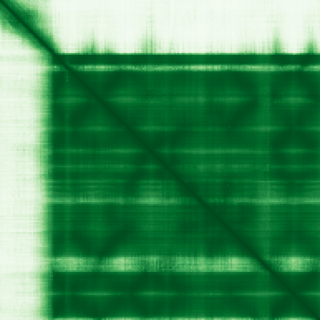
Mean pLDDT
88.9/ 100
Confident
193 residues
Confidence breakdown
- Very high(≥ 90)72%
- Confident(70–90)15%
- Low(50–70)14%
- Very low(< 50)0%
Open interactive 3D viewer
AlphaFold (Jumper et al., 2021) · CC BY 4.0
ganglioside GM2 activator
Annotations refreshed 2 months ago.
Diagnostic Grade (Green)
Childhood onset dystonia, chorea or related movement disorder
BIALLELIC, autosomal or pseudoautosomalDDG2P
BIALLELIC, autosomal or pseudoautosomalEarly onset or syndromic epilepsy
BIALLELIC, autosomal or pseudoautosomalIntellectual disability
BIALLELIC, autosomal or pseudoautosomalLikely inborn error of metabolism
BIALLELIC, autosomal or pseudoautosomalLysosomal storage disorder
BIALLELIC, autosomal or pseudoautosomalUndiagnosed metabolic disorders
BIALLELIC, autosomal or pseudoautosomalFetal anomalies
BIALLELIC, autosomal or pseudoautosomal+1 more panels — install the extension to see the full list inline on any page.
GM2-gangliosidosis, AB variant
Tay-Sachs disease AB variant
neurodegenerative disease
lysosomal storage disease
Alzheimer disease
Parkinson disease
multiple sclerosis
Tay-Sachs disease
Seizure
femur fracture
Score is the Open Targets composite evidence score (0-1). Higher = stronger gene-disease association.
Ganglioside GM2 activator
Lipid-binding and transfer protein essential for lysosomal degradation of ganglioside GM2. Extracts single GM2 molecules from intralysosomal luminal vesicle (ILV) membranes and presents them in soluble form to beta-hexosaminidase A (HEXA) for cleavage of N-acetyl-D-galactosamine and conversion to GM3 (PubMed:30988135, PubMed:8900233). Forms a stoichiometric GM2-GM2A complex that serves as the substrate for HEXA (PubMed:30988135, PubMed:8900233). Also stimulates the breakdown of glycolipid GA2 by HEXA (By similarity). Possesses dual function: membrane lipid mobilization/solubilization and lipid substrate presentation to hydrolases (PubMed:30988135). The large binding pocket can accommodate several single-chain phospholipids and fatty acids (By similarity). Exhibits some calcium-independent phospholipase activity (By similarity). Participates in cholesterol transfer (PubMed:17552909)
GM2A · P17900
Mean pLDDT
88.9/ 100
Confident
193 residues
Confidence breakdown
AlphaFold (Jumper et al., 2021) · CC BY 4.0