
AlphaFold predicted structure
GNAI3 · P08754
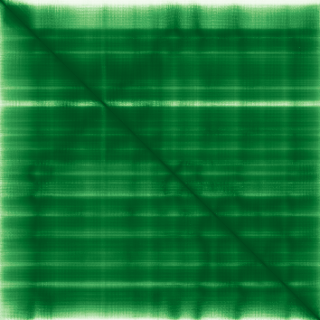
Mean pLDDT
93.8/ 100
Very high
354 residues
Confidence breakdown
- Very high(≥ 90)87%
- Confident(70–90)10%
- Low(50–70)2%
- Very low(< 50)1%
Open interactive 3D viewer
AlphaFold (Jumper et al., 2021) · CC BY 4.0
G protein subunit alpha i3
Annotations refreshed 2 months ago.
Diagnostic Grade (Green)
DDG2P
MONOALLELIC, autosomal or pseudoautosomal, imprinted status unknownDeafness and congenital structural abnormalities
MONOALLELIC, autosomal or pseudoautosomal, NOT imprintedFetal anomalies
MONOALLELIC, autosomal or pseudoautosomal, imprinted status unknownAlbinism or congenital nystagmus
BOTH monoallelic and biallelic, autosomal or pseudoautosomalClefting
Infantile nystagmus
BOTH monoallelic and biallelic, autosomal or pseudoautosomalIntellectual disability
MONOALLELIC, autosomal or pseudoautosomal, imprinted status unknownOcular and oculo-cutaneous albinism
MONOALLELIC, autosomal or pseudoautosomal, NOT imprintedauriculocondylar syndrome
Agnathia - holoprosencephaly - situs inversus
hereditary disease
Abnormality of the skeletal system
autosomal recessive spondylocostal dysostosis
frozen shoulder
spondylolisthesis
Familial Scheuermann disease
Scheuermann disease
metabolic dysfunction-associated steatotic liver disease
Score is the Open Targets composite evidence score (0-1). Higher = stronger gene-disease association.
Guanine nucleotide-binding protein G(i) subunit alpha-3
Heterotrimeric guanine nucleotide-binding proteins (G proteins) function as transducers downstream of G protein-coupled receptors (GPCRs) in numerous signaling cascades. The alpha chain contains the guanine nucleotide binding site and alternates between an active, GTP-bound state and an inactive, GDP-bound state. Signaling by an activated GPCR promotes GDP release and GTP binding. The alpha subunit has a low GTPase activity that converts bound GTP to GDP, thereby terminating the signal (By similarity). Both GDP release and GTP hydrolysis are modulated by numerous regulatory proteins (PubMed:18434541, PubMed:19478087, PubMed:8774883). Signaling is mediated via effector proteins, such as adenylate cyclase. Inhibits adenylate cyclase activity, leading to decreased intracellular cAMP levels (PubMed:19478087). Stimulates the activity of receptor-regulated K(+) channels (PubMed:2535845). The active GTP-bound form prevents the association of RGS14 with centrosomes and is required for the translocation of RGS14 from the cytoplasm to the plasma membrane. May play a role in cell division (PubMed:17635935). The active GTP-bound form activates the calcium permeant TRPC5 ion channels (PubMed:37137991)
GNAI3 · P08754
Mean pLDDT
93.8/ 100
Very high
354 residues
Confidence breakdown
AlphaFold (Jumper et al., 2021) · CC BY 4.0