
AlphaFold predicted structure
GNAL · P38405
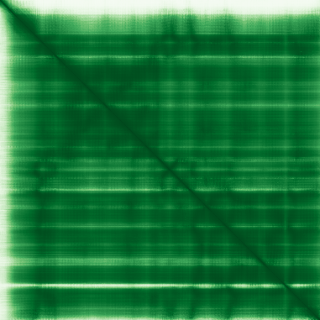
Mean pLDDT
93.1/ 100
Very high
381 residues
Confidence breakdown
- Very high(≥ 90)85%
- Confident(70–90)10%
- Low(50–70)3%
- Very low(< 50)2%
Open interactive 3D viewer
AlphaFold (Jumper et al., 2021) · CC BY 4.0
G protein subunit alpha L
Annotations refreshed 3 months ago.
Diagnostic Grade (Green)
Adult onset dystonia, chorea or related movement disorder
MONOALLELIC, autosomal or pseudoautosomal, NOT imprintedChildhood onset dystonia, chorea or related movement disorder
MONOALLELIC, autosomal or pseudoautosomal, NOT imprintedEarly onset dystonia
MONOALLELIC, autosomal or pseudoautosomal, NOT imprintedAdult onset neurodegenerative disorder
MONOALLELIC, autosomal or pseudoautosomal, imprinted status unknownIntellectual disability
MONOALLELIC, autosomal or pseudoautosomal, imprinted status unknownParkinson Disease and Complex Parkinsonism
MONOALLELIC, autosomal or pseudoautosomal, imprinted status unknowndystonia 25
Autosomal dominant focal dystonia, DYT25
Dystonia
dystonic disorder
Dysarthria
Limb dystonia
circadian rhythm sleep disorder
tooth disorder
Nasal polyposis
hereditary disease
Score is the Open Targets composite evidence score (0-1). Higher = stronger gene-disease association.
Guanine nucleotide-binding protein G(olf) subunit alpha
Guanine nucleotide-binding protein (G protein) involved as transducer in olfactory signal transduction controlled by G protein-coupled receptors (GPCRs) (By similarity). Contains the guanine nucleotide binding site and alternates between an active, GTP-bound state and an inactive, GDP-bound state (By similarity). Signaling by an activated GPCR promotes GDP release and GTP binding (By similarity). The alpha subunit has a low GTPase activity that converts bound GTP to GDP, thereby terminating the signal (By similarity). Both GDP release and GTP hydrolysis are modulated by numerous regulatory proteins (By similarity). GNAL/G(olf) alpha specifically mediates olfactory signal transduction within the olfactory neuroepithelium and the basal ganglia following GPCRs activation (By similarity). Acts by promoting the specific activation of adenylyl cyclase ADCY3, resulting in increased levels of the signaling molecule cAMP (By similarity)
GNAL · P38405
Mean pLDDT
93.1/ 100
Very high
381 residues
Confidence breakdown
AlphaFold (Jumper et al., 2021) · CC BY 4.0