
AlphaFold predicted structure
GNAQ · P50148
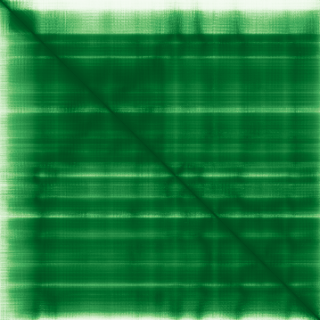
Mean pLDDT
93.0/ 100
Very high
359 residues
Confidence breakdown
- Very high(≥ 90)84%
- Confident(70–90)12%
- Low(50–70)3%
- Very low(< 50)1%
Open interactive 3D viewer
AlphaFold (Jumper et al., 2021) · CC BY 4.0
G protein subunit alpha q
Annotations refreshed 3 months ago.
Diagnostic Grade (Green)
DDG2P
MONOALLELIC, autosomal or pseudoautosomal, imprinted status unknownEarly onset or syndromic epilepsy
MONOALLELIC, autosomal or pseudoautosomal, imprinted status unknownMosaic skin disorders - deep sequencing
MONOALLELIC, autosomal or pseudoautosomal, NOT imprintedCOVID-19 research
UnknownCerebral vascular malformations
Fetal anomalies
MONOALLELIC, autosomal or pseudoautosomal, imprinted status unknownPigmentary skin disorders
MONOALLELIC, autosomal or pseudoautosomal, NOT imprintedVascular skin disorders
MONOALLELIC, autosomal or pseudoautosomal, NOT imprintedSturge-Weber syndrome
familial multiple nevi flammei
congenital hemangioma
uveal melanoma
Abnormality of the skeletal system
capillary malformation
hepatocellular carcinoma
cutaneous melanoma
phakomatosis pigmentovascularis
blue nevus
Score is the Open Targets composite evidence score (0-1). Higher = stronger gene-disease association.
Guanine nucleotide-binding protein G(q) subunit alpha
Guanine nucleotide-binding proteins (G proteins) function as transducers downstream of G protein-coupled receptors (GPCRs) in numerous signaling cascades (PubMed:34556863, PubMed:35672283, PubMed:37991948). The alpha chain contains the guanine nucleotide binding site and alternates between an active, GTP-bound state and an inactive, GDP-bound state (PubMed:37991948). Signaling by an activated GPCR promotes GDP release and GTP binding (PubMed:37991948). The alpha subunit has a low GTPase activity that converts bound GTP to GDP, thereby terminating the signal (PubMed:37991948). Both GDP release and GTP hydrolysis are modulated by numerous regulatory proteins (PubMed:37991948). Signaling is mediated via phospholipase C-beta-dependent inositol lipid hydrolysis for signal propagation: activates phospholipase C-beta: following GPCR activation, GNAQ activates PLC-beta (PLCB1, PLCB2, PLCB3 or PLCB4), leading to production of diacylglycerol (DAG) and inositol 1,4,5-trisphosphate (IP3) (PubMed:37991948). Required for platelet activation (By similarity). Regulates B-cell selection and survival and is required to prevent B-cell-dependent autoimmunity (By similarity). Regulates chemotaxis of BM-derived neutrophils and dendritic cells (in vitro) (By similarity). Transduces FFAR4 signaling in response to long-chain fatty acids (LCFAs) (PubMed:27852822). Together with GNA11, required for heart development (By similarity)
GNAQ · P50148
Mean pLDDT
93.0/ 100
Very high
359 residues
Confidence breakdown
AlphaFold (Jumper et al., 2021) · CC BY 4.0