
AlphaFold predicted structure
GNE · Q9Y223
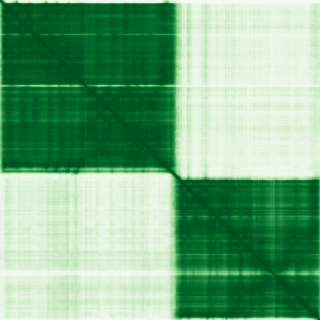
Mean pLDDT
93.1/ 100
Very high
722 residues
Confidence breakdown
- Very high(≥ 90)87%
- Confident(70–90)8%
- Low(50–70)1%
- Very low(< 50)3%
Open interactive 3D viewer
AlphaFold (Jumper et al., 2021) · CC BY 4.0
glucosamine (UDP-N-acetyl)-2-epimerase/N-acetylmannosamine kinase
Annotations refreshed 2 months ago.
Diagnostic Grade (Green)
Bleeding and platelet disorders
BIALLELIC, autosomal or pseudoautosomalCongenital disorders of glycosylation
BIALLELIC, autosomal or pseudoautosomalDistal myopathies
BIALLELIC, autosomal or pseudoautosomalInherited bleeding disorders
BIALLELIC, autosomal or pseudoautosomalLikely inborn error of metabolism
BOTH monoallelic and biallelic, autosomal or pseudoautosomalLimb girdle muscular dystrophies, myofibrillar myopathies and distal myopathies
BIALLELIC, autosomal or pseudoautosomalLysosomal storage disorder
BOTH monoallelic and biallelic, autosomal or pseudoautosomalUndiagnosed metabolic disorders
BOTH monoallelic and biallelic, autosomal or pseudoautosomal+6 more panels — install the extension to see the full list inline on any page.
GNE myopathy
Distal myopathy, Nonaka type
sialuria
inclusion body myositis
thrombocytopenia 12 with or without myopathy
distal myopathy
hereditary disease
limb-girdle muscular dystrophy
platelet-type bleeding disorder 19
macrothrombocytopenia, isolated
Score is the Open Targets composite evidence score (0-1). Higher = stronger gene-disease association.
Bifunctional UDP-N-acetylglucosamine 2-epimerase/N-acetylmannosamine kinase
Bifunctional enzyme that possesses both UDP-N-acetylglucosamine 2-epimerase and N-acetylmannosamine kinase activities, and serves as the initiator of the biosynthetic pathway leading to the production of N-acetylneuraminic acid (NeuAc), a critical precursor in the synthesis of sialic acids. By catalyzing this pivotal and rate-limiting step in sialic acid biosynthesis, this enzyme assumes a pivotal role in governing the regulation of cell surface sialylation, playing a role in embryonic angiogenesis (PubMed:10334995, PubMed:11326336, PubMed:14707127, PubMed:16503651, PubMed:2808337, PubMed:38237079). Sialic acids represent a category of negatively charged sugars that reside on the surface of cells as terminal components of glycoconjugates and mediate important functions in various cellular processes, including cell adhesion, signal transduction, and cellular recognition (PubMed:10334995, PubMed:14707127)
GNE · Q9Y223
Mean pLDDT
93.1/ 100
Very high
722 residues
Confidence breakdown
AlphaFold (Jumper et al., 2021) · CC BY 4.0