
AlphaFold predicted structure
GPHN · Q9NQX3
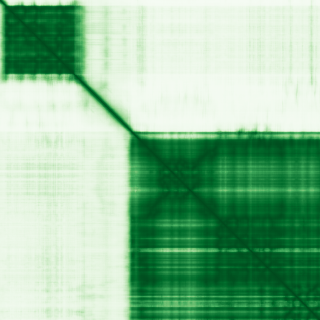
Mean pLDDT
83.8/ 100
Confident
736 residues
Confidence breakdown
- Very high(≥ 90)72%
- Confident(70–90)9%
- Low(50–70)2%
- Very low(< 50)17%
Open interactive 3D viewer
AlphaFold (Jumper et al., 2021) · CC BY 4.0
gephyrin
Annotations refreshed 2 months ago.
Diagnostic Grade (Green)
Early onset or syndromic epilepsy
BOTH monoallelic and biallelic, autosomal or pseudoautosomalLikely inborn error of metabolism
BOTH monoallelic and biallelic, autosomal or pseudoautosomalUndiagnosed metabolic disorders
BOTH monoallelic and biallelic, autosomal or pseudoautosomalChildhood onset dystonia, chorea or related movement disorder
DDG2P
BIALLELIC, autosomal or pseudoautosomalIntellectual disability
BOTH monoallelic and biallelic, autosomal or pseudoautosomalsulfite oxidase deficiency due to molybdenum cofactor deficiency type C
hereditary hyperekplexia
encephalopathy due to sulfite oxidase deficiency
genetic developmental and epileptic encephalopathy
developmental and epileptic encephalopathy
post term pregnancy
alcohol drinking
urolithiasis
cervical carcinoma
infectious meningitis
Score is the Open Targets composite evidence score (0-1). Higher = stronger gene-disease association.
Gephyrin
Microtubule-associated protein involved in membrane protein-cytoskeleton interactions. It is thought to anchor the inhibitory glycine receptor (GLYR) to subsynaptic microtubules (By similarity). Acts as a major instructive molecule at inhibitory synapses, where it also clusters GABA type A receptors (PubMed:25025157, PubMed:26613940)
Curated MONDO disease pages that list GPHN among their top associated genes.
GPHN · Q9NQX3
Mean pLDDT
83.8/ 100
Confident
736 residues
Confidence breakdown
AlphaFold (Jumper et al., 2021) · CC BY 4.0