Skip to content
GenoLensGenoLens

GPIHBP1

Chr 8q24.3

glycosylphosphatidylinositol anchored high density lipoprotein binding protein 1

Aliases:
LOC338328, GPI-HBP1
MANE:
ENST00000622500.2

Annotations refreshed 9 hours ago.

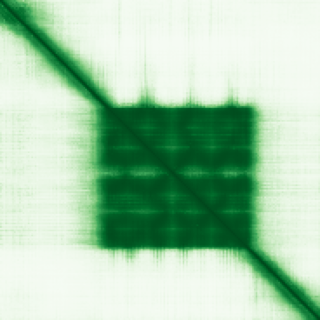
Predicted protein structure

Clinical relevance (Genomics England PanelApp)

Diagnostic Grade (Green)

  • Familial chylomicronaemia syndrome (FCS)

    BIALLELIC, autosomal or pseudoautosomal
  • Likely inborn error of metabolism

    BIALLELIC, autosomal or pseudoautosomal
  • Severe hypertriglyceridaemia

    BIALLELIC, autosomal or pseudoautosomal
  • Familial hypercholesterolaemia

Disease associations (Open Targets)

  • Hyperlipoproteinemia type 1

    0.80
  • familial chylomicronemia syndrome

    0.69
  • Abnormality of the cardiovascular system

    0.41
  • familial lipoprotein lipase deficiency

    0.35
  • alcohol drinking

    0.25
  • pernicious anemia

    0.25
  • physical activity

    0.22
  • preeclampsia

    0.21
  • neoplasm

    0.09
  • non-small cell lung carcinoma

    0.08

Score is the Open Targets composite evidence score (0-1). Higher = stronger gene-disease association.

Protein function (UniProt)

Glycosylphosphatidylinositol-anchored high density lipoprotein-binding protein 1

Mediates the transport of lipoprotein lipase LPL from the basolateral to the apical surface of endothelial cells in capillaries (By similarity). Anchors LPL on the surface of endothelial cells in the lumen of blood capillaries (By similarity). Protects LPL against loss of activity, and against ANGPTL4-mediated unfolding (PubMed:27929370, PubMed:29899144). Thereby, plays an important role in lipolytic processing of chylomicrons by LPL, triglyceride metabolism and lipid homeostasis (PubMed:19304573, PubMed:21314738). Binds chylomicrons and phospholipid particles that contain APOA5 (PubMed:17997385, PubMed:19304573). Binds high-density lipoprotein (HDL) and plays a role in the uptake of lipids from HDL (By similarity)

Data sources: HGNC (CC BY 4.0), AlphaFold (CC BY 4.0, Jumper et al. Nature 2021), Genomics England PanelApp (CC BY 4.0), ClinGen, Open Targets (CC0), UniProt.

Not for sole clinical decision-making. Always verify against primary sources.