
AlphaFold predicted structure
GRHPR · Q9UBQ7
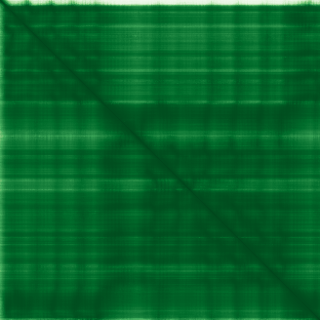
Mean pLDDT
96.9/ 100
Very high
328 residues
Confidence breakdown
- Very high(≥ 90)98%
- Confident(70–90)1%
- Low(50–70)1%
- Very low(< 50)1%
Open interactive 3D viewer
AlphaFold (Jumper et al., 2021) · CC BY 4.0
glyoxylate and hydroxypyruvate reductase
Annotations refreshed 2 months ago.
Diagnostic Grade (Green)
Likely inborn error of metabolism
BIALLELIC, autosomal or pseudoautosomalNephrocalcinosis or nephrolithiasis
BIALLELIC, autosomal or pseudoautosomalPeroxisomal disorders
BIALLELIC, autosomal or pseudoautosomalUndiagnosed metabolic disorders
BIALLELIC, autosomal or pseudoautosomalChildhood onset dystonia, chorea or related movement disorder
Ductal plate malformation
BIALLELIC, autosomal or pseudoautosomalprimary hyperoxaluria type 2
primary hyperoxaluria
Hyperoxaluria
nephrocalcinosis
acute infantile liver failure-cerebellar ataxia-peripheral sensory motor neuropathy syndrome
nephrolithiasis
primary hyperoxaluria type 3
familial idiopathic steroid-resistant nephrotic syndrome
phosphohydroxylysinuria
focal segmental glomerulosclerosis
Score is the Open Targets composite evidence score (0-1). Higher = stronger gene-disease association.
Glyoxylate reductase/hydroxypyruvate reductase
Enzyme with hydroxy-pyruvate reductase, glyoxylate reductase and D-glycerate dehydrogenase enzymatic activities. Reduces hydroxypyruvate to D-glycerate, glyoxylate to glycolate, oxidizes D-glycerate to hydroxypyruvate
GRHPR · Q9UBQ7
Mean pLDDT
96.9/ 100
Very high
328 residues
Confidence breakdown
AlphaFold (Jumper et al., 2021) · CC BY 4.0