
AlphaFold predicted structure
GRIP1 · Q9Y3R0
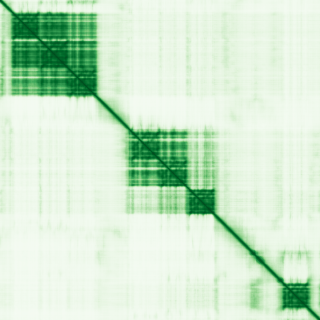
Mean pLDDT
61.7/ 100
Low
1,128 residues
Confidence breakdown
- Very high(≥ 90)5%
- Confident(70–90)45%
- Low(50–70)9%
- Very low(< 50)41%
Open interactive 3D viewer
AlphaFold (Jumper et al., 2021) · CC BY 4.0
glutamate receptor interacting protein 1
Annotations refreshed 2 months ago.
Diagnostic Grade (Green)
Anophthalmia or microphthalmia
BIALLELIC, autosomal or pseudoautosomalCAKUT
BIALLELIC, autosomal or pseudoautosomalDeafness and congenital structural abnormalities
BIALLELIC, autosomal or pseudoautosomalFetal anomalies
BIALLELIC, autosomal or pseudoautosomalLimb disorders
BIALLELIC, autosomal or pseudoautosomalStructural eye disease
BIALLELIC, autosomal or pseudoautosomalUnexplained kidney failure in young people
BIALLELIC, autosomal or pseudoautosomalUnexplained young onset end-stage renal disease - additional genes
BIALLELIC, autosomal or pseudoautosomal+4 more panels — install the extension to see the full list inline on any page.
Fraser syndrome
alcohol drinking
eye disorder
polydactyly
response to bronchodilator
urolithiasis
connective tissue disorder
phlebitis
Thrombophlebitis
Abnormal brain morphology
Score is the Open Targets composite evidence score (0-1). Higher = stronger gene-disease association.
Glutamate receptor-interacting protein 1
May play a role as a localized scaffold for the assembly of a multiprotein signaling complex and as mediator of the trafficking of its binding partners at specific subcellular location in neurons (PubMed:10197531). Through complex formation with NSG1, GRIA2 and STX12 controls the intracellular fate of AMPAR and the endosomal sorting of the GRIA2 subunit toward recycling and membrane targeting (By similarity)
GRIP1 · Q9Y3R0
Mean pLDDT
61.7/ 100
Low
1,128 residues
Confidence breakdown
AlphaFold (Jumper et al., 2021) · CC BY 4.0