
AlphaFold predicted structure
GRK2 · P25098
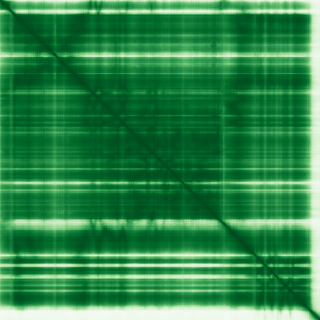
Mean pLDDT
89.9/ 100
Confident
689 residues
Confidence breakdown
- Very high(≥ 90)73%
- Confident(70–90)18%
- Low(50–70)6%
- Very low(< 50)3%
Open interactive 3D viewer
AlphaFold (Jumper et al., 2021) · CC BY 4.0
G protein-coupled receptor kinase 2
Annotations refreshed 2 months ago.
Moderate Evidence (Amber)
Skeletal ciliopathies
BIALLELIC, autosomal or pseudoautosomalJeune syndrome
bone Paget disease
Jeune syndrome - GRK2-related
rheumatoid arthritis
neoplasm
hepatocellular carcinoma
response to xenobiotic stimulus
rheumatic disorder
pulmonary arterial hypertension
breast cancer
Score is the Open Targets composite evidence score (0-1). Higher = stronger gene-disease association.
G protein-coupled receptor kinase 2
Specifically phosphorylates the activated forms of G protein-coupled receptors (PubMed:14976224, PubMed:16179383, PubMed:19306925, PubMed:19715378, PubMed:21799898, PubMed:23077507, PubMed:30284927, PubMed:39138140, PubMed:40384633). Such receptor phosphorylation initiates beta-arrestin-mediated receptor internalization, and signaling events leading to their desensitization (PubMed:14976224, PubMed:16179383, PubMed:19306925, PubMed:19715378, PubMed:21799898, PubMed:23077507, PubMed:30284927, PubMed:39138140, PubMed:40384633). Phosphorylates the agonist-occupied form of the beta-adrenergic and closely related receptors, probably inducing a desensitization of them (PubMed:19715378). Phosphorylates catecholamine-activated ADRB2 to regulate physiological cardiomyocyte contraction rate responses (By similarity). Also phosphorylates ligand-bound C3a and C5a anaphylatoxin receptors (C3AR1 and C5AR1, respectively), leading to receptor desensitization (PubMed:21799898, PubMed:23077507). Positively regulates ciliary smoothened (SMO) signaling pathway by mediating phosphorylation of SMO, facilitating SMO trafficking into the cilium and the stimulation of SMO activity (PubMed:39138140). Also positively regulates SMO signaling by mediating phosphorylation of GPR161, a key inhibitor SMO signaling, promoting ciliary export of GPR161 (PubMed:40384633). Key regulator of LPAR1 signaling (PubMed:19306925). Competes with RALA for binding to LPAR1 thus affecting the signaling properties of the receptor (PubMed:19306925). Desensitizes LPAR1 and LPAR2 in a phosphorylation-independent manner (PubMed:19306925). Inhibits relaxation of airway smooth muscle in response to blue light (PubMed:30284927)
GRK2 · P25098
Mean pLDDT
89.9/ 100
Confident
689 residues
Confidence breakdown
AlphaFold (Jumper et al., 2021) · CC BY 4.0