
AlphaFold predicted structure
GSS · P48637
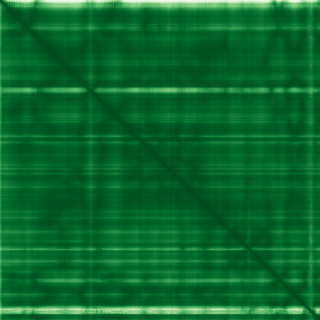
Mean pLDDT
94.9/ 100
Very high
474 residues
Confidence breakdown
- Very high(≥ 90)90%
- Confident(70–90)8%
- Low(50–70)2%
- Very low(< 50)0%
Open interactive 3D viewer
AlphaFold (Jumper et al., 2021) · CC BY 4.0
glutathione synthetase
Annotations refreshed 2 months ago.
Diagnostic Grade (Green)
Cytopenias and congenital anaemias
BIALLELIC, autosomal or pseudoautosomalLikely inborn error of metabolism
BIALLELIC, autosomal or pseudoautosomalRare anaemia
BIALLELIC, autosomal or pseudoautosomalUndiagnosed metabolic disorders
BIALLELIC, autosomal or pseudoautosomalEarly onset or syndromic epilepsy
BIALLELIC, autosomal or pseudoautosomalIntellectual disability
BIALLELIC, autosomal or pseudoautosomalChildhood onset dystonia, chorea or related movement disorder
Glutathione synthetase deficiency
glutathione synthetase deficiency without 5-oxoprolinuria
glutathione synthetase deficiency with 5-oxoprolinuria
inherited glutathione synthetase deficiency
hereditary disease
inborn errors of metabolism
schizophrenia
alcohol drinking
myocardial ischemia
coronary atherosclerosis
Score is the Open Targets composite evidence score (0-1). Higher = stronger gene-disease association.
Glutathione synthetase
Catalyzes the production of glutathione from gamma-glutamylcysteine and glycine in an ATP-dependent manner (PubMed:7646467, PubMed:9215686). Glutathione (gamma-glutamylcysteinylglycine, GSH) is the most abundant intracellular thiol in living aerobic cells and is required for numerous processes including the protection of cells against oxidative damage, amino acid transport, the detoxification of foreign compounds, the maintenance of protein sulfhydryl groups in a reduced state and acts as a cofactor for a number of enzymes (PubMed:10369661). Participates in ophthalmate biosynthesis in hepatocytes (By similarity)
GSS · P48637
Mean pLDDT
94.9/ 100
Very high
474 residues
Confidence breakdown
AlphaFold (Jumper et al., 2021) · CC BY 4.0