Skip to content
GenoLensGenoLens

GTPBP2

Chr 6p21.1

GTP binding protein 2

MANE:
ENST00000307126.10

Annotations refreshed 10 hours ago.

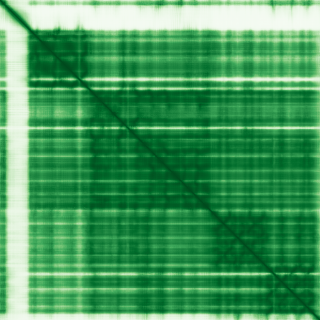
Predicted protein structure

Clinical relevance (Genomics England PanelApp)

Diagnostic Grade (Green)

  • Adult onset dystonia, chorea or related movement disorder

    BIALLELIC, autosomal or pseudoautosomal
  • Childhood onset dystonia, chorea or related movement disorder

    BIALLELIC, autosomal or pseudoautosomal
  • DDG2P

    BIALLELIC, autosomal or pseudoautosomal
  • Early onset or syndromic epilepsy

    BIALLELIC, autosomal or pseudoautosomal
  • Fetal anomalies

    BIALLELIC, autosomal or pseudoautosomal
  • Intellectual disability

    BIALLELIC, autosomal or pseudoautosomal

Disease associations (Open Targets)

  • Jaberi-Elahi syndrome

    0.77
  • Intellectual disability

    0.49
  • Seizure

    0.46
  • Global developmental delay

    0.46
  • neurodegenerative disease

    0.23
  • lysosomal storage disease

    0.23
  • multiple sclerosis

    0.23
  • Parkinson disease

    0.23
  • Alzheimer disease

    0.23
  • hereditary disease

    0.19

Score is the Open Targets composite evidence score (0-1). Higher = stronger gene-disease association.

Protein function (UniProt)

GTP-binding protein 2

Involved in the rescue of ribosome stalling due to the presence of non-functional tRNA (By similarity). Has very low GTP-binding activity (PubMed:30108131)

Data sources: HGNC (CC BY 4.0), AlphaFold (CC BY 4.0, Jumper et al. Nature 2021), Genomics England PanelApp (CC BY 4.0), ClinGen, Open Targets (CC0), UniProt.

Not for sole clinical decision-making. Always verify against primary sources.