
AlphaFold predicted structure
HELLS · Q9NRZ9
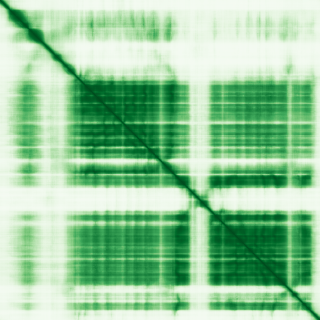
Mean pLDDT
68.4/ 100
Low
838 residues
Confidence breakdown
- Very high(≥ 90)20%
- Confident(70–90)34%
- Low(50–70)23%
- Very low(< 50)24%
Open interactive 3D viewer
AlphaFold (Jumper et al., 2021) · CC BY 4.0
helicase, lymphoid specific
Annotations refreshed 3 months ago.
Diagnostic Grade (Green)
COVID-19 research
BIALLELIC, autosomal or pseudoautosomalPrimary immunodeficiency or monogenic inflammatory bowel disease
BIALLELIC, autosomal or pseudoautosomalICF syndrome
immunodeficiency-centromeric instability-facial anomalies syndrome
neurodegenerative disease
hereditary disease
hepatocellular carcinoma
cancer
lung carcinoma
lung cancer
neoplasm
familial isolated dilated cardiomyopathy
Score is the Open Targets composite evidence score (0-1). Higher = stronger gene-disease association.
Lymphoid-specific helicase
ATP-dependent chromatin remodeler that regulates chromatin accessibility, DNA methylation, and histone modifications. It facilitates de novo DNA methylation at repetitive sequences and promotes transcriptional silencing via recruitment of DNA methyltransferases (DNMTs) and histone deacetylases (HDACs), contributing to heterochromatin formation and repression of transposable elements (PubMed:30307408). Also involved in DNA repair by recruiting DNA damage response mediators to double-strand breaks in heterochromatin, promoting homologous recombination via RBBP8/CtIP-dependent end resection (PubMed:22946062, PubMed:31802118). During meiosis, it is recruited by PRDM9 to recombination hotspots, aiding chromatin opening (PubMed:32001511). Through these diverse roles, is crucial for processes such as development, differentiation, and genomic stability (PubMed:22946062, PubMed:31802118). Involved in regulation of the expansion or survival of lymphoid cells (By similarity)
HELLS · Q9NRZ9
Mean pLDDT
68.4/ 100
Low
838 residues
Confidence breakdown
AlphaFold (Jumper et al., 2021) · CC BY 4.0