AlphaFold predicted structure
HEPACAM · Q14CZ8
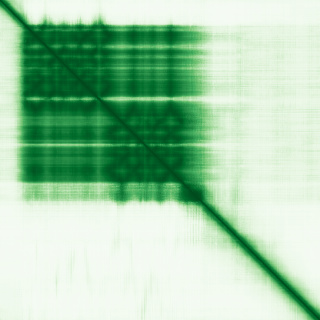
Mean pLDDT
72.6/ 100
Confident
416 residues
Confidence breakdown
- Very high(≥ 90)47%
- Confident(70–90)9%
- Low(50–70)14%
- Very low(< 50)30%
AlphaFold (Jumper et al., 2021) · CC BY 4.0
hepatic and glial cell adhesion molecule
Annotations refreshed 9 hours ago.
Diagnostic Grade (Green)
Adult onset leukodystrophy
BOTH monoallelic and biallelic, autosomal or pseudoautosomalEarly onset or syndromic epilepsy
BIALLELIC, autosomal or pseudoautosomalInherited white matter disorders
BOTH monoallelic and biallelic, autosomal or pseudoautosomalIntellectual disability
BOTH monoallelic and biallelic (but BIALLELIC mutations cause a more SEVERE disease form), autosomal or pseudoautosomalWhite matter disorders and cerebral calcification - narrow panel
BOTH monoallelic and biallelic, autosomal or pseudoautosomalmegalencephalic leukoencephalopathy with subcortical cysts
megalencephalic leukoencephalopathy with subcortical cysts 2A
macrocephaly-autism syndrome
autism spectrum disorder
hereditary disease
Intellectual disability
posterior cortical atrophy
myeloid sarcoma
glioblastoma
hepatocellular carcinoma
Score is the Open Targets composite evidence score (0-1). Higher = stronger gene-disease association.
Hepatic and glial cell adhesion molecule
Involved in regulating cell motility and cell-matrix interactions. May inhibit cell growth through suppression of cell proliferation (PubMed:15885354, PubMed:15917256). In glia, associates and targets CLCN2 at astrocytic processes and myelinated fiber tracts where it may regulate transcellular chloride flux involved in neuron excitability (PubMed:22405205)
HEPACAM · Q14CZ8

Mean pLDDT
72.6/ 100
Confident
416 residues
Confidence breakdown
AlphaFold (Jumper et al., 2021) · CC BY 4.0