AlphaFold predicted structure
HIKESHI · Q53FT3
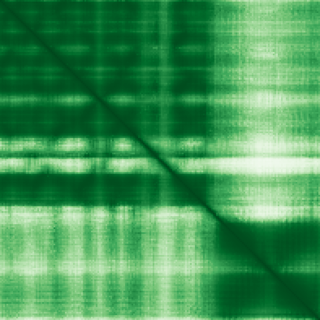
Mean pLDDT
88.9/ 100
Confident
197 residues
Confidence breakdown
- Very high(≥ 90)67%
- Confident(70–90)24%
- Low(50–70)10%
- Very low(< 50)0%
AlphaFold (Jumper et al., 2021) · CC BY 4.0
heat shock protein nuclear import factor hikeshi
Annotations refreshed 10 hours ago.
Diagnostic Grade (Green)
Childhood onset hereditary spastic paraplegia
BIALLELIC, autosomal or pseudoautosomalHereditary spastic paraplegia
BIALLELIC, autosomal or pseudoautosomalOptic neuropathy
BIALLELIC, autosomal or pseudoautosomalWhite matter disorders and cerebral calcification - narrow panel
BIALLELIC, autosomal or pseudoautosomalSevere microcephaly
BIALLELIC, autosomal or pseudoautosomalhypomyelinating leukodystrophy 13
Hypomyelinating leukodystrophy with or without oligondontia and/or hypogonadism
hypothyroidism
hereditary disease
ocular hypotension
benign prostatic hyperplasia
smoking initiation
Congenital pulmonary alveolar proteinosis
Neonatal acute respiratory distress with surfactant metabolism deficiency
Hyperlipoproteinemia type 1
Score is the Open Targets composite evidence score (0-1). Higher = stronger gene-disease association.
Protein Hikeshi
Acts as a specific nuclear import carrier for HSP70 proteins following heat-shock stress: acts by mediating the nucleoporin-dependent translocation of ATP-bound HSP70 proteins into the nucleus. HSP70 proteins import is required to protect cells from heat shock damages. Does not translocate ADP-bound HSP70 proteins into the nucleus
HIKESHI · Q53FT3

Mean pLDDT
88.9/ 100
Confident
197 residues
Confidence breakdown
AlphaFold (Jumper et al., 2021) · CC BY 4.0