
AlphaFold predicted structure
HK1 · P19367
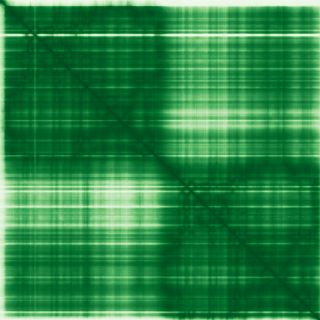
Mean pLDDT
94.6/ 100
Very high
917 residues
Confidence breakdown
- Very high(≥ 90)89%
- Confident(70–90)8%
- Low(50–70)2%
- Very low(< 50)1%
Open interactive 3D viewer
AlphaFold (Jumper et al., 2021) · CC BY 4.0
hexokinase 1
Annotations refreshed 2 months ago.
Diagnostic Grade (Green)
Congenital hyperinsulinism
MONOALLELIC, autosomal or pseudoautosomal, imprinted status unknownCytopenias and congenital anaemias
BIALLELIC, autosomal or pseudoautosomalDDG2P
MONOALLELIC, autosomal or pseudoautosomal, imprinted status unknownFetal anomalies
BOTH monoallelic and biallelic (but BIALLELIC mutations cause a more SEVERE disease form), autosomal or pseudoautosomalHereditary neuropathy
BIALLELIC, autosomal or pseudoautosomalHereditary neuropathy or pain disorder
BIALLELIC, autosomal or pseudoautosomalIntellectual disability
MONOALLELIC, autosomal or pseudoautosomal, NOT imprintedOptic neuropathy
MONOALLELIC, autosomal or pseudoautosomal, NOT imprinted+2 more panels — install the extension to see the full list inline on any page.
neurodevelopmental disorder with visual defects and brain anomalies
non-spherocytic hemolytic anemia due to hexokinase deficiency
Charcot-Marie-Tooth disease type 4G
retinitis pigmentosa 79
retinitis pigmentosa
Retinal dystrophy
diabetes mellitus
type 2 diabetes mellitus
hereditary disease
congenital isolated hyperinsulinism
Score is the Open Targets composite evidence score (0-1). Higher = stronger gene-disease association.
Hexokinase-1
Catalyzes the phosphorylation of various hexoses, such as D-glucose, D-glucosamine, D-fructose, D-mannose and 2-deoxy-D-glucose, to hexose 6-phosphate (D-glucose 6-phosphate, D-glucosamine 6-phosphate, D-fructose 6-phosphate, D-mannose 6-phosphate and 2-deoxy-D-glucose 6-phosphate, respectively) (PubMed:1637300, PubMed:25316723, PubMed:27374331). Does not phosphorylate N-acetyl-D-glucosamine (PubMed:27374331). Mediates the initial step of glycolysis by catalyzing phosphorylation of D-glucose to D-glucose 6-phosphate (By similarity). Involved in innate immunity and inflammation by acting as a pattern recognition receptor for bacterial peptidoglycan (PubMed:27374331). When released in the cytosol, N-acetyl-D-glucosamine component of bacterial peptidoglycan inhibits the hexokinase activity of HK1 and causes its dissociation from mitochondrial outer membrane, thereby activating the NLRP3 inflammasome (PubMed:27374331)
HK1 · P19367
Mean pLDDT
94.6/ 100
Very high
917 residues
Confidence breakdown
AlphaFold (Jumper et al., 2021) · CC BY 4.0