
AlphaFold predicted structure
HNRNPDL · O14979
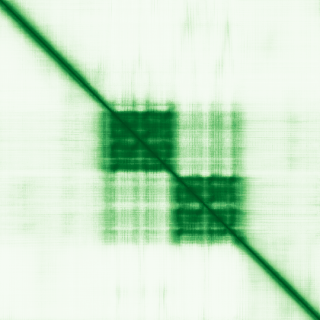
Mean pLDDT
62.8/ 100
Low
420 residues
Confidence breakdown
- Very high(≥ 90)15%
- Confident(70–90)24%
- Low(50–70)19%
- Very low(< 50)43%
Open interactive 3D viewer
AlphaFold (Jumper et al., 2021) · CC BY 4.0
heterogeneous nuclear ribonucleoprotein D like
Annotations refreshed 2 months ago.
Diagnostic Grade (Green)
Limb girdle muscular dystrophies, myofibrillar myopathies and distal myopathies
MONOALLELIC, autosomal or pseudoautosomal, imprinted status unknownautosomal dominant limb-girdle muscular dystrophy type 1G
limb-girdle muscular dystrophy
Autosomal dominant limb-girdle muscular dystrophy
muscular dystrophy, limb-girdle, autosomal dominant
cancer
rheumatoid arthritis
cervical carcinoma
placenta praevia
acute tonsillitis
crush injury
Score is the Open Targets composite evidence score (0-1). Higher = stronger gene-disease association.
Heterogeneous nuclear ribonucleoprotein D-like
Acts as a transcriptional regulator. Promotes transcription repression. Promotes transcription activation in differentiated myotubes (By similarity). Binds to double- and single-stranded DNA sequences. Binds to the transcription suppressor CATR sequence of the COX5B promoter (By similarity). Binds with high affinity to RNA molecules that contain AU-rich elements (AREs) found within the 3'-UTR of many proto-oncogenes and cytokine mRNAs. Binds both to nuclear and cytoplasmic poly(A) mRNAs. Binds to poly(G) and poly(A), but not to poly(U) or poly(C) RNA homopolymers. Binds to the 5'-ACUAGC-3' RNA consensus sequence
HNRNPDL · O14979
Mean pLDDT
62.8/ 100
Low
420 residues
Confidence breakdown
AlphaFold (Jumper et al., 2021) · CC BY 4.0