
AlphaFold predicted structure
HPDL · Q96IR7
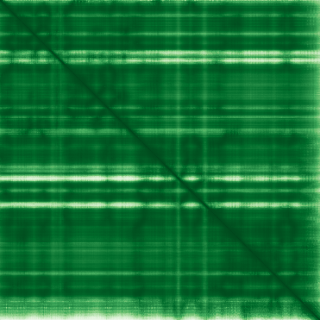
Mean pLDDT
91.1/ 100
Very high
371 residues
Confidence breakdown
- Very high(≥ 90)74%
- Confident(70–90)22%
- Low(50–70)4%
- Very low(< 50)0%
Open interactive 3D viewer
AlphaFold (Jumper et al., 2021) · CC BY 4.0
4-hydroxyphenylpyruvate dioxygenase like
Annotations refreshed 2 months ago.
Diagnostic Grade (Green)
Childhood onset hereditary spastic paraplegia
BIALLELIC, autosomal or pseudoautosomalDDG2P
BIALLELIC, autosomal or pseudoautosomalEarly onset or syndromic epilepsy
BIALLELIC, autosomal or pseudoautosomalHereditary neuropathy or pain disorder
BIALLELIC, autosomal or pseudoautosomalIntellectual disability
BIALLELIC, autosomal or pseudoautosomalLikely inborn error of metabolism
BIALLELIC, autosomal or pseudoautosomalMitochondrial disorders
BIALLELIC, autosomal or pseudoautosomalPossible mitochondrial disorder - nuclear genes
BIALLELIC, autosomal or pseudoautosomal+2 more panels — install the extension to see the full list inline on any page.
neurodevelopmental disorder with progressive spasticity and brain white matter abnormalities
spastic paraplegia 83, autosomal recessive
Inherited congenital spastic tetraplegia
hereditary disease
spastic ataxia
Spastic paraplegia
neurodegenerative disease
complex neurodevelopmental disorder
Leigh syndrome
cancer
Score is the Open Targets composite evidence score (0-1). Higher = stronger gene-disease association.
4-hydroxyphenylpyruvate dioxygenase-like protein
Iron-dependent dioxygenase that catalyzes the conversion of 4-hydroxyphenylpyruvate (4-HPPA) to 4-hydroxymandelate (4-HMA) in the mitochondria, one of the steps in the biosynthesis of coenzyme Q10 from tyrosine
HPDL · Q96IR7
Mean pLDDT
91.1/ 100
Very high
371 residues
Confidence breakdown
AlphaFold (Jumper et al., 2021) · CC BY 4.0