
AlphaFold predicted structure
HPGD · P15428
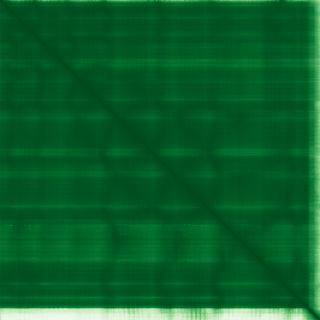
Mean pLDDT
96.9/ 100
Very high
266 residues
Confidence breakdown
- Very high(≥ 90)96%
- Confident(70–90)2%
- Low(50–70)2%
- Very low(< 50)0%
Open interactive 3D viewer
AlphaFold (Jumper et al., 2021) · CC BY 4.0
15-hydroxyprostaglandin dehydrogenase
Annotations refreshed 2 months ago.
Diagnostic Grade (Green)
Autosomal recessive primary hypertrophic osteoarthropathy
BIALLELIC, autosomal or pseudoautosomalDDG2P
BIALLELIC, autosomal or pseudoautosomalSkeletal dysplasia
BOTH monoallelic and biallelic, autosomal or pseudoautosomalFetal anomalies
BIALLELIC, autosomal or pseudoautosomalIntellectual disability
BIALLELIC, autosomal or pseudoautosomalhypertrophic osteoarthropathy, primary, autosomal recessive, 1
cranio-osteoarthropathy
isolated congenital digital clubbing
Pachydermoperiostosis
hereditary disease
dyshidrosis
ovarian neoplasm
placenta praevia
hepatocellular carcinoma
Varicose veins
Score is the Open Targets composite evidence score (0-1). Higher = stronger gene-disease association.
15-hydroxyprostaglandin dehydrogenase [NAD(+)]
Catalyzes the NAD-dependent dehydrogenation (oxidation) of a broad array of hydroxylated polyunsaturated fatty acids (mainly eicosanoids and docosanoids, including prostaglandins, lipoxins and resolvins), yielding their corresponding keto (oxo) metabolites (PubMed:10837478, PubMed:16757471, PubMed:16828555, PubMed:21916491, PubMed:25586183, PubMed:8086429). Decreases the levels of the pro-proliferative prostaglandins such as prostaglandin E2 (whose activity is increased in cancer because of an increase in the expression of cyclooxygenase 2) and generates oxo-fatty acid products that can profoundly influence cell function by abrogating pro-inflammatory cytokine expression (PubMed:15574495, PubMed:25586183). Converts resolvins E1, D1 and D2 to their oxo products, which represents a mode of resolvin inactivation. Resolvin E1 plays important roles during the resolution phase of acute inflammation, while resolvins D1 and D2 have a unique role in obesity-induced adipose inflammation (PubMed:16757471, PubMed:22844113)
HPGD · P15428
Mean pLDDT
96.9/ 100
Very high
266 residues
Confidence breakdown
AlphaFold (Jumper et al., 2021) · CC BY 4.0