AlphaFold predicted structure
HSD3B7 · Q9H2F3
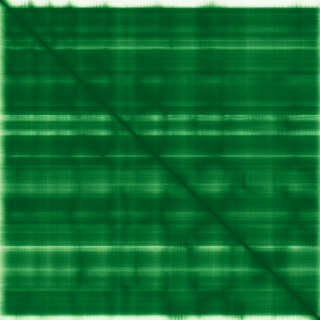
Mean pLDDT
93.8/ 100
Very high
369 residues
Confidence breakdown
- Very high(≥ 90)87%
- Confident(70–90)10%
- Low(50–70)1%
- Very low(< 50)2%
AlphaFold (Jumper et al., 2021) · CC BY 4.0
hydroxy-delta-5-steroid dehydrogenase, 3 beta- and steroid delta-isomerase 7
Annotations refreshed 10 hours ago.
Diagnostic Grade (Green)
Cholestasis
BIALLELIC, autosomal or pseudoautosomalDDG2P
BIALLELIC, autosomal or pseudoautosomalLikely inborn error of metabolism
BIALLELIC, autosomal or pseudoautosomalNeonatal cholestasis
BIALLELIC, autosomal or pseudoautosomalUndiagnosed metabolic disorders
BIALLELIC, autosomal or pseudoautosomalChildhood onset dystonia, chorea or related movement disorder
Fetal anomalies
BIALLELIC, autosomal or pseudoautosomalIntellectual disability
BIALLELIC, autosomal or pseudoautosomalcongenital bile acid synthesis defect 1
Congenital bile acid synthesis defect type 1
congenital bile acid synthesis defect
hereditary disease
Irritability
diverticular disease
psoriasis
Abnormality of the skeletal system
Parkinson disease
juvenile myoclonic epilepsy
Score is the Open Targets composite evidence score (0-1). Higher = stronger gene-disease association.
3 beta-hydroxysteroid dehydrogenase type 7
The 3-beta-HSD enzymatic system plays a crucial role in the biosynthesis of all classes of hormonal steroids. HSD VII is active against four 7-alpha-hydroxylated sterols. Does not metabolize several different C(19/21) steroids as substrates. Involved in bile acid synthesis (PubMed:11067870). Plays a key role in cell positioning and movement in lymphoid tissues by mediating degradation of 7-alpha,25-dihydroxycholesterol (7-alpha,25-OHC): 7-alpha,25-OHC acts as a ligand for the G protein-coupled receptor GPR183/EBI2, a chemotactic receptor for a number of lymphoid cells (By similarity)
HSD3B7 · Q9H2F3

Mean pLDDT
93.8/ 100
Very high
369 residues
Confidence breakdown
AlphaFold (Jumper et al., 2021) · CC BY 4.0