
AlphaFold predicted structure
IDE · P14735
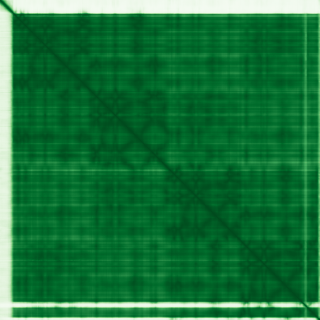
Mean pLDDT
94.0/ 100
Very high
1,019 residues
Confidence breakdown
- Very high(≥ 90)93%
- Confident(70–90)1%
- Low(50–70)1%
- Very low(< 50)5%
Open interactive 3D viewer
AlphaFold (Jumper et al., 2021) · CC BY 4.0
insulin degrading enzyme
Annotations refreshed 2 months ago.
Moderate Evidence (Amber)
COVID-19 research
Unknowndiabetes mellitus
type 2 diabetes mellitus
brain cancer
diabetic neuropathy
diabetic retinopathy
diabetic eye disease
nervous system cancer
sporadic amyotrophic lateral sclerosis
MODY
Alzheimer disease
Score is the Open Targets composite evidence score (0-1). Higher = stronger gene-disease association.
Insulin-degrading enzyme
Plays a role in the cellular breakdown of insulin, APP peptides, IAPP peptides, natriuretic peptides, glucagon, bradykinin, kallidin, and other peptides, and thereby plays a role in intercellular peptide signaling (PubMed:10684867, PubMed:17051221, PubMed:17613531, PubMed:18986166, PubMed:19321446, PubMed:21098034, PubMed:2293021, PubMed:23922390, PubMed:24847884, PubMed:26394692, PubMed:26968463, PubMed:29596046). Substrate binding induces important conformation changes, making it possible to bind and degrade larger substrates, such as insulin (PubMed:23922390, PubMed:26394692, PubMed:29596046). Contributes to the regulation of peptide hormone signaling cascades and regulation of blood glucose homeostasis via its role in the degradation of insulin, glucagon and IAPP (By similarity). Plays a role in the degradation and clearance of APP-derived amyloidogenic peptides that are secreted by neurons and microglia (Probable) (PubMed:26394692, PubMed:9830016). Degrades the natriuretic peptides ANP, BNP and CNP, inactivating their ability to raise intracellular cGMP (PubMed:21098034). Also degrades an aberrant frameshifted 40-residue form of NPPA (fsNPPA) which is associated with familial atrial fibrillation in heterozygous patients (PubMed:21098034). Involved in antigen processing. Produces both the N terminus and the C terminus of MAGEA3-derived antigenic peptide (EVDPIGHLY) that is presented to cytotoxic T lymphocytes by MHC class I
IDE · P14735
Mean pLDDT
94.0/ 100
Very high
1,019 residues
Confidence breakdown
AlphaFold (Jumper et al., 2021) · CC BY 4.0