
AlphaFold predicted structure
IDH1 · O75874
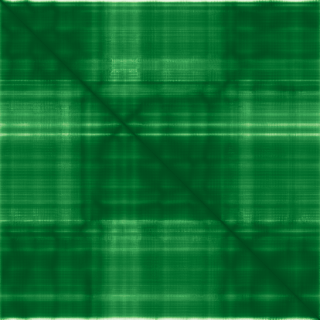
Mean pLDDT
95.9/ 100
Very high
414 residues
Confidence breakdown
- Very high(≥ 90)95%
- Confident(70–90)5%
- Low(50–70)1%
- Very low(< 50)0%
Open interactive 3D viewer
AlphaFold (Jumper et al., 2021) · CC BY 4.0
isocitrate dehydrogenase (NADP(+)) 1
Annotations refreshed 3 months ago.
Diagnostic Grade (Green)
Fetal anomalies
MONOALLELIC, autosomal or pseudoautosomal, imprinted status unknownMosaic skin disorders - deep sequencing
MONOALLELIC, autosomal or pseudoautosomal, NOT imprintedLikely inborn error of metabolism
MONOALLELIC, autosomal or pseudoautosomal, imprinted status unknownMitochondrial disorders
MONOALLELIC, autosomal or pseudoautosomal, imprinted status unknownSkeletal dysplasia
MONOALLELIC, autosomal or pseudoautosomal, NOT imprintedCytopenias and congenital anaemias
UnknownPeroxisomal disorders
UnknownVascular skin disorders
MONOALLELIC, autosomal or pseudoautosomal, NOT imprintedacute myeloid leukemia
glioblastoma
cholangiocarcinoma
glioma
Maffucci syndrome
Enchondromatosis
astrocytoma (excluding glioblastoma)
oligodendroglioma
metaphyseal chondromatosis with D-2-hydroxyglutaric aciduria
Ollier disease
Score is the Open Targets composite evidence score (0-1). Higher = stronger gene-disease association.
Isocitrate dehydrogenase [NADP] cytoplasmic
Catalyzes the NADP(+)-dependent oxidative decarboxylation of isocitrate (D-threo-isocitrate) to 2-ketoglutarate (2-oxoglutarate), which is required by other enzymes such as the phytanoyl-CoA dioxygenase (PubMed:10521434, PubMed:19935646). Plays a critical role in the generation of NADPH, an important cofactor in many biosynthesis pathways (PubMed:10521434). May act as a corneal epithelial crystallin and may be involved in maintaining corneal epithelial transparency (By similarity)
Curated MONDO disease pages that list IDH1 among their top associated genes.
IDH1 · O75874
Mean pLDDT
95.9/ 100
Very high
414 residues
Confidence breakdown
AlphaFold (Jumper et al., 2021) · CC BY 4.0