
AlphaFold predicted structure
IFNG · P01579
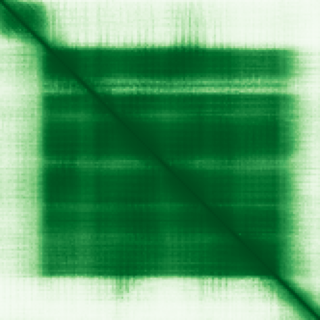
Mean pLDDT
85.3/ 100
Confident
166 residues
Confidence breakdown
- Very high(≥ 90)68%
- Confident(70–90)10%
- Low(50–70)18%
- Very low(< 50)4%
Open interactive 3D viewer
AlphaFold (Jumper et al., 2021) · CC BY 4.0
interferon gamma
Annotations refreshed 2 months ago.
Diagnostic Grade (Green)
COVID-19 research
UnknownCytopenias and congenital anaemias
UnknownFamilial Meniere Disease
Primary immunodeficiency or monogenic inflammatory bowel disease
BIALLELIC, autosomal or pseudoautosomalimmunodeficiency 69
Primary hemophagocytic lymphohistiocytosis
hemophagocytic syndrome
HIV-1 infection
hypothyroidism
tuberous sclerosis
myxedema
macrophage activation syndrome
inflammatory bowel disease
ulcerative colitis
Score is the Open Targets composite evidence score (0-1). Higher = stronger gene-disease association.
Interferon gamma
Type II interferon produced by immune cells such as T-cells and NK cells that plays crucial roles in antimicrobial, antiviral, and antitumor responses by activating effector immune cells and enhancing antigen presentation (PubMed:16914093, PubMed:8666937). Primarily signals through the JAK-STAT pathway after interaction with its receptor IFNGR1 to affect gene regulation (PubMed:8349687). Upon IFNG binding, IFNGR1 intracellular domain opens out to allow association of downstream signaling components JAK2, JAK1 and STAT1, leading to STAT1 activation, nuclear translocation and transcription of IFNG-regulated genes. Many of the induced genes are transcription factors such as IRF1 that are able to further drive regulation of a next wave of transcription (PubMed:16914093). Plays a role in class I antigen presentation pathway by inducing a replacement of catalytic proteasome subunits with immunoproteasome subunits (PubMed:8666937). In turn, increases the quantity, quality, and repertoire of peptides for class I MHC loading (PubMed:8163024). Increases the efficiency of peptide generation also by inducing the expression of activator PA28 that associates with the proteasome and alters its proteolytic cleavage preference (PubMed:11112687). Up-regulates as well MHC II complexes on the cell surface by promoting expression of several key molecules such as cathepsins B/CTSB, H/CTSH, and L/CTSL (PubMed:7729559). Participates in the regulation of hematopoietic stem cells during development and under homeostatic conditions by affecting their development, quiescence, and differentiation (By similarity)
IFNG · P01579
Mean pLDDT
85.3/ 100
Confident
166 residues
Confidence breakdown
AlphaFold (Jumper et al., 2021) · CC BY 4.0