
AlphaFold predicted structure
IFT27 · Q9BW83
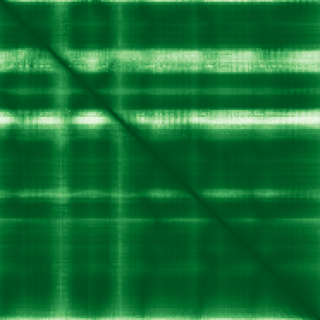
Mean pLDDT
92.7/ 100
Very high
186 residues
Confidence breakdown
- Very high(≥ 90)80%
- Confident(70–90)15%
- Low(50–70)5%
- Very low(< 50)0%
Open interactive 3D viewer
AlphaFold (Jumper et al., 2021) · CC BY 4.0
intraflagellar transport 27
Annotations refreshed 2 months ago.
Diagnostic Grade (Green)
Bardet Biedl syndrome
BIALLELIC, autosomal or pseudoautosomalFetal anomalies
BIALLELIC, autosomal or pseudoautosomalLimb disorders
BIALLELIC, autosomal or pseudoautosomalOphthalmological ciliopathies
BIALLELIC, autosomal or pseudoautosomalRare multisystem ciliopathy disorders
BIALLELIC, autosomal or pseudoautosomalRenal ciliopathies
BIALLELIC, autosomal or pseudoautosomalRetinal disorders
BIALLELIC, autosomal or pseudoautosomalIntellectual disability
BIALLELIC, autosomal or pseudoautosomal+2 more panels — install the extension to see the full list inline on any page.
Bardet-Biedl syndrome
Jeune syndrome
ciliopathy
polydactyly
smoking initiation
bilirubin metabolism disease
Dental malocclusion
hereditary disease
Retinal dystrophy
optic atrophy
Score is the Open Targets composite evidence score (0-1). Higher = stronger gene-disease association.
Intraflagellar transport protein 27 homolog
Small GTPase-like component of the intraflagellar transport (IFT) complex B that promotes the exit of the BBSome complex from cilia via its interaction with ARL6 (PubMed:25443296, PubMed:40384633). Not involved in entry of the BBSome complex into cilium. Prevents aggregation of GTP-free ARL6 (PubMed:25443296). Required for hedgehog signaling. Forms a subcomplex within the IFT complex B with IFT25. Its role in intraflagellar transport is mainly seen in tissues rich in ciliated cells such as kidney and testis. Essential for male fertility, spermiogenesis and sperm flagella formation. Plays a role in the early development of the kidney. May be involved in the regulation of ureteric bud initiation (By similarity)
IFT27 · Q9BW83
Mean pLDDT
92.7/ 100
Very high
186 residues
Confidence breakdown
AlphaFold (Jumper et al., 2021) · CC BY 4.0