
AlphaFold predicted structure
IGF1 · P05019
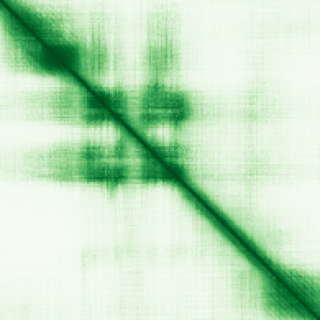
Mean pLDDT
59.5/ 100
Low
195 residues
Confidence breakdown
- Very high(≥ 90)0%
- Confident(70–90)33%
- Low(50–70)40%
- Very low(< 50)27%
Open interactive 3D viewer
AlphaFold (Jumper et al., 2021) · CC BY 4.0
insulin like growth factor 1
Annotations refreshed 2 months ago.
Diagnostic Grade (Green)
DDG2P
BIALLELIC, autosomal or pseudoautosomalFetal anomalies
BIALLELIC, autosomal or pseudoautosomalIntellectual disability
BIALLELIC, autosomal or pseudoautosomalIUGR and IGF abnormalities
BIALLELIC, autosomal or pseudoautosomalMonogenic short stature
BIALLELIC, autosomal or pseudoautosomalSevere microcephaly
BIALLELIC, autosomal or pseudoautosomalSilver Russell syndrome
BIALLELIC, autosomal or pseudoautosomalMonogenic hearing loss
+1 more panels — install the extension to see the full list inline on any page.
growth delay due to insulin-like growth factor type 1 deficiency
Abnormality of the skeletal system
microcephalic primordial dwarfism
COVID-19
preeclampsia
Uterine leiomyoma
Tietze syndrome
nodular goiter
upper respiratory tract disorder
breast cancer
Score is the Open Targets composite evidence score (0-1). Higher = stronger gene-disease association.
Insulin-like growth factor 1
The insulin-like growth factors, isolated from plasma, are structurally and functionally related to insulin but have a much higher growth-promoting activity. May be a physiological regulator of [1-14C]-2-deoxy-D-glucose (2DG) transport and glycogen synthesis in osteoblasts. Stimulates glucose transport in bone-derived osteoblastic (PyMS) cells and is effective at much lower concentrations than insulin, not only regarding glycogen and DNA synthesis but also with regard to enhancing glucose uptake. May play a role in synapse maturation (PubMed:21076856, PubMed:24132240). Ca(2+)-dependent exocytosis of IGF1 is required for sensory perception of smell in the olfactory bulb (By similarity). Acts as a ligand for IGF1R. Binds to the alpha subunit of IGF1R, leading to the activation of the intrinsic tyrosine kinase activity which autophosphorylates tyrosine residues in the beta subunit thus initiating a cascade of down-stream signaling events leading to activation of the PI3K-AKT/PKB and the Ras-MAPK pathways. Binds to integrins ITGAV:ITGB3 and ITGA6:ITGB4. Its binding to integrins and subsequent ternary complex formation with integrins and IGFR1 are essential for IGF1 signaling. Induces the phosphorylation and activation of IGFR1, MAPK3/ERK1, MAPK1/ERK2 and AKT1 (PubMed:19578119, PubMed:22351760, PubMed:23243309, PubMed:23696648). As part of the MAPK/ERK signaling pathway, acts as a negative regulator of apoptosis in cardiomyocytes via promotion of STUB1/CHIP-mediated ubiquitination and degradation of ICER-type isoforms of CREM (By similarity)
IGF1 · P05019
Mean pLDDT
59.5/ 100
Low
195 residues
Confidence breakdown
AlphaFold (Jumper et al., 2021) · CC BY 4.0