
AlphaFold predicted structure
IL10 · P22301
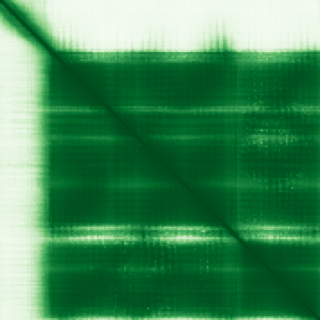
Mean pLDDT
87.9/ 100
Confident
178 residues
Confidence breakdown
- Very high(≥ 90)78%
- Confident(70–90)6%
- Low(50–70)2%
- Very low(< 50)14%
Open interactive 3D viewer
AlphaFold (Jumper et al., 2021) · CC BY 4.0
interleukin 10
Annotations refreshed 2 months ago.
Diagnostic Grade (Green)
COVID-19 research
BIALLELIC, autosomal or pseudoautosomalGastrointestinal epithelial barrier disorders
BIALLELIC, autosomal or pseudoautosomalPrimary immunodeficiency or monogenic inflammatory bowel disease
BIALLELIC, autosomal or pseudoautosomalInfantile enterocolitis & monogenic inflammatory bowel disease
BIALLELIC, autosomal or pseudoautosomalFamilial Meniere Disease
Sudden death in young people
UnknownCrohn disease
inflammatory bowel disease
IL10-related early-onset inflammatory bowel disease
ulcerative colitis
type 1 diabetes mellitus
systemic lupus erythematosus
rheumatoid arthritis
Behcet disease
ulcer disease
ulcerative proctosigmoiditis
Score is the Open Targets composite evidence score (0-1). Higher = stronger gene-disease association.
Interleukin-10
Major immune regulatory cytokine that acts on many cells of the immune system where it has profound anti-inflammatory functions, limiting excessive tissue disruption caused by inflammation. Mechanistically, IL10 binds to its heterotetrameric receptor comprising IL10RA and IL10RB leading to JAK1 and STAT2-mediated phosphorylation of STAT3 (PubMed:16982608). In turn, STAT3 translocates to the nucleus where it drives expression of anti-inflammatory mediators (PubMed:18025162). Targets antigen-presenting cells (APCs) such as macrophages and monocytes and inhibits their release of pro-inflammatory cytokines including granulocyte-macrophage colony-stimulating factor /GM-CSF, granulocyte colony-stimulating factor/G-CSF, IL-1 alpha, IL-1 beta, IL-6, IL-8 and TNF (PubMed:11564774, PubMed:1940799, PubMed:7512027). Also interferes with antigen presentation by reducing the expression of MHC-class II and co-stimulatory molecules, thereby inhibiting their ability to induce T cell activation (PubMed:8144879). In addition, controls the inflammatory response of macrophages by reprogramming essential metabolic pathways including mTOR signaling (By similarity)
Curated MONDO disease pages that list IL10 among their top associated genes.
IL10 · P22301
Mean pLDDT
87.9/ 100
Confident
178 residues
Confidence breakdown
AlphaFold (Jumper et al., 2021) · CC BY 4.0