Skip to content
GenoLensGenoLens

IL10RB

Chr 21q22.11

interleukin 10 receptor subunit beta

Aliases:
CRF2-4, CDW210B, IL-10R2
MANE:
ENST00000290200.7

Annotations refreshed 9 hours ago.

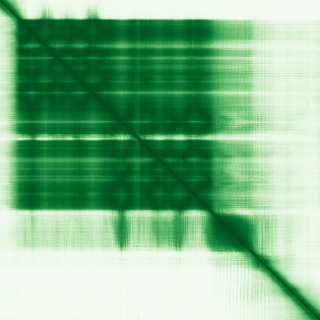
Predicted protein structure

Clinical relevance (Genomics England PanelApp)

Diagnostic Grade (Green)

  • COVID-19 research

    BIALLELIC, autosomal or pseudoautosomal
  • Gastrointestinal epithelial barrier disorders

    BIALLELIC, autosomal or pseudoautosomal
  • Infantile enterocolitis & monogenic inflammatory bowel disease

    BIALLELIC, autosomal or pseudoautosomal
  • Primary immunodeficiency or monogenic inflammatory bowel disease

    BIALLELIC, autosomal or pseudoautosomal

Disease associations (Open Targets)

  • inflammatory bowel disease 25

    0.73
  • Autosomal recessive early-onset inflammatory bowel disease

    0.68
  • IL10-related early-onset inflammatory bowel disease

    0.55
  • COVID-19

    0.54
  • inflammatory bowel disease

    0.39
  • ulcerative colitis

    0.37
  • chronic hepatitis C virus infection

    0.37
  • hepatitis C virus infection

    0.34
  • pancreatic ductal adenocarcinoma

    0.26
  • pancreatic adenocarcinoma

    0.26

Score is the Open Targets composite evidence score (0-1). Higher = stronger gene-disease association.

Protein function (UniProt)

Interleukin-10 receptor subunit beta

Shared cell surface receptor required for the activation of five class 2 cytokines: IL10, IL22, IL26, IL28, and IFNL1. The IFNLR1/IL10RB dimer is a receptor for the cytokine ligands IFNL2 and IFNL3 and mediates their antiviral activity. The ligand/receptor complex stimulate the activation of the JAK/STAT signaling pathway leading to the expression of IFN-stimulated genes (ISG), which contribute to the antiviral state

Curated MONDO disease pages that list IL10RB among their top associated genes.

Data sources: HGNC (CC BY 4.0), AlphaFold (CC BY 4.0, Jumper et al. Nature 2021), Genomics England PanelApp (CC BY 4.0), ClinGen, Open Targets (CC0), UniProt.

Not for sole clinical decision-making. Always verify against primary sources.