AlphaFold predicted structure
IL36RN · Q9UBH0
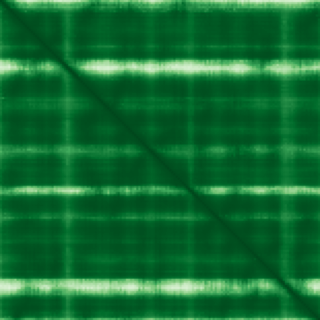
Mean pLDDT
92.4/ 100
Very high
155 residues
Confidence breakdown
- Very high(≥ 90)81%
- Confident(70–90)15%
- Low(50–70)4%
- Very low(< 50)0%
AlphaFold (Jumper et al., 2021) · CC BY 4.0
interleukin 36 receptor antagonist
Annotations refreshed 9 hours ago.
Diagnostic Grade (Green)
Autoinflammatory disorders
BIALLELIC, autosomal or pseudoautosomalCOVID-19 research
BIALLELIC, autosomal or pseudoautosomalGeneralised pustular psoriasis
BOTH monoallelic and biallelic (but BIALLELIC mutations cause a more SEVERE disease form), autosomal or pseudoautosomalPeriodic fever syndromes
BIALLELIC, autosomal or pseudoautosomalPrimary immunodeficiency or monogenic inflammatory bowel disease
BIALLELIC, autosomal or pseudoautosomalRare genetic inflammatory skin disorders
BIALLELIC, autosomal or pseudoautosomalpsoriasis 14, pustular
generalized pustular psoriasis
autoinflammatory syndrome
palmoplantar pustulosis
post term pregnancy
quality of life cycle
coronary artery disorder
ischemic stroke
abdominal aortic aneurysm
hereditary disease
Score is the Open Targets composite evidence score (0-1). Higher = stronger gene-disease association.
Interleukin-36 receptor antagonist protein
Inhibits the activity of interleukin-36 (IL36A,IL36B and IL36G) by binding to receptor IL1RL2 and preventing its association with the coreceptor IL1RAP for signaling. Part of the IL-36 signaling system that is thought to be present in epithelial barriers and to take part in local inflammatory response; similar to the IL-1 system with which it shares the coreceptor. Proposed to play a role in skin inflammation. May be involved in the innate immune response to fungal pathogens, such as Aspergillus fumigatus. May activate an anti-inflammatory signaling pathway by recruiting SIGIRR
IL36RN · Q9UBH0

Mean pLDDT
92.4/ 100
Very high
155 residues
Confidence breakdown
AlphaFold (Jumper et al., 2021) · CC BY 4.0