
AlphaFold predicted structure
IL6R · P08887
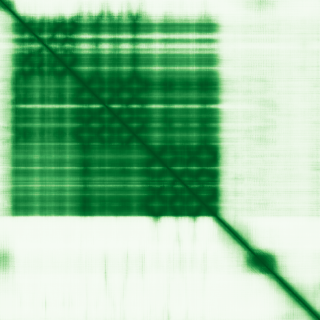
Mean pLDDT
77.9/ 100
Confident
468 residues
Confidence breakdown
- Very high(≥ 90)54%
- Confident(70–90)14%
- Low(50–70)9%
- Very low(< 50)24%
Open interactive 3D viewer
AlphaFold (Jumper et al., 2021) · CC BY 4.0
interleukin 6 receptor
Annotations refreshed 3 months ago.
Diagnostic Grade (Green)
COVID-19 research
BIALLELIC, autosomal or pseudoautosomalPrimary immunodeficiency or monogenic inflammatory bowel disease
BIALLELIC, autosomal or pseudoautosomalrheumatoid arthritis
Eczematoid dermatitis
COVID-19
juvenile idiopathic arthritis
neuromyelitis optica
coronary artery disorder
temporal arteritis
hyper-IgE recurrent infection syndrome 5, autosomal recessive
asthma
atopic eczema
Score is the Open Targets composite evidence score (0-1). Higher = stronger gene-disease association.
Interleukin-6 receptor subunit alpha
Part of the receptor for interleukin 6. Binds to IL6 with low affinity, but does not transduce a signal (PubMed:28265003). Signal activation necessitate an association with IL6ST. Activation leads to the regulation of the immune response, acute-phase reactions and hematopoiesis (PubMed:30995492, PubMed:31235509). The interaction with membrane-bound IL6R and IL6ST stimulates 'classic signaling', the restricted expression of the IL6R limits classic IL6 signaling to only a few tissues such as the liver and some cells of the immune system. Whereas the binding of IL6 and soluble IL6R to IL6ST stimulates 'trans-signaling'. Alternatively, 'cluster signaling' occurs when membrane-bound IL6:IL6R complexes on transmitter cells activate IL6ST receptors on neighboring receiver cells (Probable)
Curated MONDO disease pages that list IL6R among their top associated genes.
IL6R · P08887
Mean pLDDT
77.9/ 100
Confident
468 residues
Confidence breakdown
AlphaFold (Jumper et al., 2021) · CC BY 4.0