
AlphaFold predicted structure
IL7 · P13232
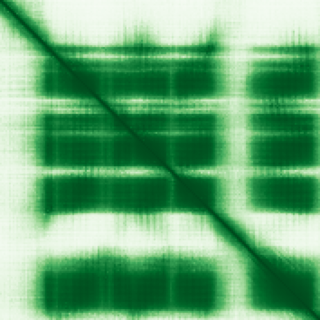
Mean pLDDT
73.9/ 100
Confident
177 residues
Confidence breakdown
- Very high(≥ 90)32%
- Confident(70–90)32%
- Low(50–70)18%
- Very low(< 50)19%
Open interactive 3D viewer
AlphaFold (Jumper et al., 2021) · CC BY 4.0
interleukin 7
Annotations refreshed 3 months ago.
Diagnostic Grade (Green)
Primary immunodeficiency or monogenic inflammatory bowel disease
BIALLELIC, autosomal or pseudoautosomalCOVID-19 research
BIALLELIC, autosomal or pseudoautosomalEpidermodysplasia verruciformis
BIALLELIC, autosomal or pseudoautosomalepidermodysplasia verruciformis
severe combined immunodeficiency
combined immunodeficiency
basal cell carcinoma
systemic lupus erythematosus
cancer
cardiomyopathy
autoimmune disorder of musculoskeletal system
biliary tract disorder
tricuspid valve disorder
Score is the Open Targets composite evidence score (0-1). Higher = stronger gene-disease association.
Interleukin-7
Hematopoietic cytokine that plays an essential role in the development, expansion, and survival of naive and memory T-cells and B-cells thereby regulating the number of mature lymphocytes and maintaining lymphoid homeostasis (PubMed:25870237, PubMed:7527823). Mechanistically, exerts its biological effects through a receptor composed of IL7RA subunit and the cytokine receptor common subunit gamma/CSF2RG (PubMed:8128231). Binding to the receptor leads to activation of various kinases including JAK1 or JAK3 depending on the cell type and subsequently propagation of signals through activation of several downstream signaling pathways including the PI3K/Akt/mTOR or the JAK-STAT5 (PubMed:18523275, PubMed:20974963)
IL7 · P13232
Mean pLDDT
73.9/ 100
Confident
177 residues
Confidence breakdown
AlphaFold (Jumper et al., 2021) · CC BY 4.0