
AlphaFold predicted structure
IL9 · P15248
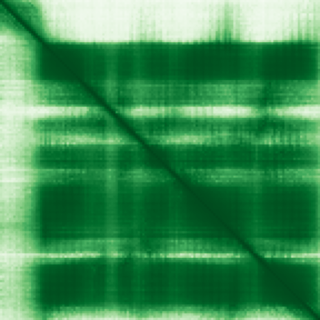
Mean pLDDT
84.1/ 100
Confident
144 residues
Confidence breakdown
- Very high(≥ 90)45%
- Confident(70–90)37%
- Low(50–70)16%
- Very low(< 50)2%
Open interactive 3D viewer
AlphaFold (Jumper et al., 2021) · CC BY 4.0
interleukin 9
Annotations refreshed 3 months ago.
Moderate Evidence (Amber)
COVID-19 research
Unknownneurodegenerative disease
Sjogren syndrome
intestinal impaction
asthma
neoplasm
rheumatoid arthritis
infection
systemic lupus erythematosus
B-cell chronic lymphocytic leukemia
systemic sclerosis
Score is the Open Targets composite evidence score (0-1). Higher = stronger gene-disease association.
Interleukin-9
Multifunctional cytokine secreted mainly by T-helper 2 lymphocytes and also mast cells or NKT cells that plays important roles in the immune response against parasites (PubMed:29742432). Affects intestinal epithelial permeability and adaptive immunity (PubMed:29742432). In addition, induces the differentiation of specific T-cell subsets such as IL-17 producing helper T-cells (TH17) and also proliferation and differentiation of mast cells. Mechanistically, exerts its biological effects through a receptor composed of IL9R subunit and a signal transducing subunit IL2RG. Receptor stimulation results in the rapid activation of JAK1 and JAK3 kinase activities leading to STAT1, STAT3 and STAT5-mediated transcriptional programs. Induction of differentiation genes seems to be mediated by STAT1 alone, while protection of cells from apoptosis depends on STAT3 and STAT5
IL9 · P15248
Mean pLDDT
84.1/ 100
Confident
144 residues
Confidence breakdown
AlphaFold (Jumper et al., 2021) · CC BY 4.0