AlphaFold predicted structure
INPP4A · Q96PE3
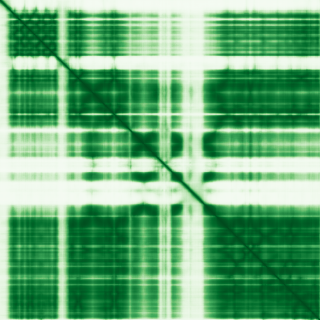
Mean pLDDT
79.9/ 100
Confident
977 residues
Confidence breakdown
- Very high(≥ 90)58%
- Confident(70–90)20%
- Low(50–70)4%
- Very low(< 50)19%
AlphaFold (Jumper et al., 2021) · CC BY 4.0
inositol polyphosphate-4-phosphatase type I A
Annotations refreshed 10 hours ago.
Diagnostic Grade (Green)
Ataxia and cerebellar anomalies - narrow panel
BIALLELIC, autosomal or pseudoautosomalChildhood onset hereditary spastic paraplegia
BIALLELIC, autosomal or pseudoautosomalDDG2P
BIALLELIC, autosomal or pseudoautosomalEarly onset or syndromic epilepsy
BIALLELIC, autosomal or pseudoautosomalFetal anomalies
BIALLELIC, autosomal or pseudoautosomalIntellectual disability
BIALLELIC, autosomal or pseudoautosomalSevere microcephaly
BIALLELIC, autosomal or pseudoautosomalneurodevelopmental disorder
Intellectual disability
microcephaly
epilepsy
Cerebellar hypoplasia
autosomal recessive non-syndromic intellectual disability
dyskeratosis congenita
Hypotonia
Pectus excavatum
Nystagmus
Score is the Open Targets composite evidence score (0-1). Higher = stronger gene-disease association.
Inositol polyphosphate-4-phosphatase type I A
Catalyzes the hydrolysis of the 4-position phosphate of phosphatidylinositol 3,4-bisphosphate (PtdIns(3,4)P2) (PubMed:15716355, PubMed:20463662). Also catalyzes inositol 1,3,4-trisphosphate and inositol 1,4-bisphosphate (By similarity). Antagonizes the PI3K-AKT/PKB signaling pathway by dephosphorylating phosphoinositides and thereby modulating cell cycle progression and cell survival (By similarity) (PubMed:30071275). May protect neurons from excitotoxic cell death by regulating the synaptic localization of cell surface N-methyl-D-aspartate-type glutamate receptors (NMDARs) and NMDAR-mediated excitatory postsynaptic current (By similarity)
INPP4A · Q96PE3

Mean pLDDT
79.9/ 100
Confident
977 residues
Confidence breakdown
AlphaFold (Jumper et al., 2021) · CC BY 4.0