
AlphaFold predicted structure
INS · P01308
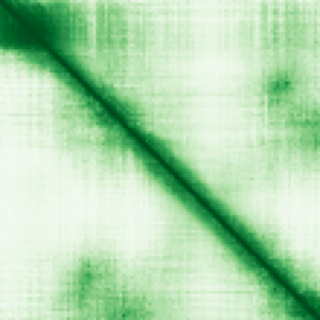
Mean pLDDT
52.9/ 100
Low
110 residues
Confidence breakdown
- Very high(≥ 90)0%
- Confident(70–90)13%
- Low(50–70)36%
- Very low(< 50)51%
Open interactive 3D viewer
AlphaFold (Jumper et al., 2021) · CC BY 4.0
insulin
Annotations refreshed 2 months ago.
Diagnostic Grade (Green)
Diabetes with additional phenotypes suggestive of a monogenic aetiology
BOTH monoallelic and biallelic, autosomal or pseudoautosomalFamilial diabetes
BOTH monoallelic and biallelic, autosomal or pseudoautosomalMonogenic diabetes
BOTH monoallelic and biallelic, autosomal or pseudoautosomalNeonatal diabetes
BOTH monoallelic and biallelic, autosomal or pseudoautosomalMulti-organ autoimmune diabetes
BOTH monoallelic and biallelic, autosomal or pseudoautosomaldiabetes mellitus, permanent neonatal 4
hyperproinsulinemia
MODY
type 1 diabetes mellitus
permanent neonatal diabetes mellitus
maturity-onset diabetes of the young type 10
diabetes mellitus
monogenic diabetes
type 2 diabetes mellitus
transient neonatal diabetes, dominant/recessive
Score is the Open Targets composite evidence score (0-1). Higher = stronger gene-disease association.
Insulin
Insulin decreases blood glucose concentration. It increases cell permeability to monosaccharides, amino acids and fatty acids. It accelerates glycolysis, the pentose phosphate cycle, and glycogen synthesis in liver
Curated MONDO disease pages that list INS among their top associated genes.
INS · P01308
Mean pLDDT
52.9/ 100
Low
110 residues
Confidence breakdown
AlphaFold (Jumper et al., 2021) · CC BY 4.0