Skip to content
GenoLensGenoLens

ITGA8

Chr 10p13

integrin subunit alpha 8

MANE:
ENST00000378076.4

Annotations refreshed 10 hours ago.

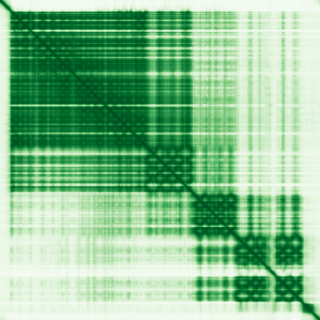
Predicted protein structure

Clinical relevance (Genomics England PanelApp)

Diagnostic Grade (Green)

  • CAKUT

    BIALLELIC, autosomal or pseudoautosomal
  • DDG2P

    BIALLELIC, autosomal or pseudoautosomal
  • Fetal anomalies

    BIALLELIC, autosomal or pseudoautosomal
  • Paediatric disorders - additional genes

    BIALLELIC, autosomal or pseudoautosomal
  • Unexplained kidney failure in young people

    BIALLELIC, autosomal or pseudoautosomal
  • Unexplained young onset end-stage renal disease - additional genes

    BIALLELIC, autosomal or pseudoautosomal
  • Monogenic hearing loss

Disease associations (Open Targets)

  • renal hypodysplasia/aplasia 1

    0.78
  • renal agenesis

    0.65
  • neurodegenerative disease

    0.50
  • bilateral renal agenesis

    0.38
  • congenital anomaly of kidney and urinary tract

    0.37
  • lobe attachment

    0.31
  • alcohol drinking

    0.31
  • Parkinson disease

    0.28
  • hypertensive disorder

    0.28
  • glomerulonephritis

    0.26

Score is the Open Targets composite evidence score (0-1). Higher = stronger gene-disease association.

Protein function (UniProt)

Integrin alpha-8

Integrin alpha-8/beta-1 functions in the genesis of kidney and probably of other organs by regulating the recruitment of mesenchymal cells into epithelial structures. It recognizes the sequence R-G-D in a wide array of ligands including TNC, FN1, SPP1 TGFB1, TGFB3 and VTN. NPNT is probably its functional ligand in kidney genesis. Neuronal receptor for TNC it mediates cell-cell interactions and regulates neurite outgrowth of sensory and motor neurons

Data sources: HGNC (CC BY 4.0), AlphaFold (CC BY 4.0, Jumper et al. Nature 2021), Genomics England PanelApp (CC BY 4.0), ClinGen, Open Targets (CC0), UniProt.

Not for sole clinical decision-making. Always verify against primary sources.