
AlphaFold predicted structure
ITPA · Q9BY32
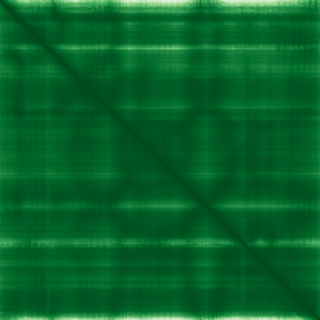
Mean pLDDT
95.1/ 100
Very high
194 residues
Confidence breakdown
- Very high(≥ 90)91%
- Confident(70–90)7%
- Low(50–70)3%
- Very low(< 50)0%
Open interactive 3D viewer
AlphaFold (Jumper et al., 2021) · CC BY 4.0
inosine triphosphatase
Annotations refreshed 2 months ago.
Diagnostic Grade (Green)
Early onset or syndromic epilepsy
BIALLELIC, autosomal or pseudoautosomalIntellectual disability
BIALLELIC, autosomal or pseudoautosomalLikely inborn error of metabolism
BIALLELIC, autosomal or pseudoautosomalUndiagnosed metabolic disorders
BIALLELIC, autosomal or pseudoautosomalChildhood onset dystonia, chorea or related movement disorder
Structural eye disease
BIALLELIC, autosomal or pseudoautosomaldevelopmental and epileptic encephalopathy, 35
inosine triphosphatase deficiency
genetic developmental and epileptic encephalopathy
chronic hepatitis C virus infection
infantile epileptic-dyskinetic encephalopathy
anemia (phenotype)
response to ribavirin
Hypodontia
hereditary disease
neurodegenerative disease
Score is the Open Targets composite evidence score (0-1). Higher = stronger gene-disease association.
Inosine triphosphate pyrophosphatase
Pyrophosphatase that hydrolyzes the non-canonical purine nucleotides inosine triphosphate (ITP), deoxyinosine triphosphate (dITP) as well as 2'-deoxy-N-6-hydroxylaminopurine triphosphate (dHAPTP) and xanthosine 5'-triphosphate (XTP) to their respective monophosphate derivatives. The enzyme does not distinguish between the deoxy- and ribose forms. Probably excludes non-canonical purines from RNA and DNA precursor pools, thus preventing their incorporation into RNA and DNA and avoiding chromosomal lesions
Curated MONDO disease pages that list ITPA among their top associated genes.
ITPA · Q9BY32
Mean pLDDT
95.1/ 100
Very high
194 residues
Confidence breakdown
AlphaFold (Jumper et al., 2021) · CC BY 4.0